概览
杜甫草堂位于成都西郊浣花溪畔,是唐代诗人杜甫流寓成都时的故居遗址。杜甫在此居住三年零九个月,写下《茅屋为秋风所破歌》等二百四十余首诗。如今园林占地逾三百亩,楠木竹林掩映诗史堂,被誉为中国文学史上的圣地。冯至曾说,人们提到杜甫时,尽可以忽略他的生地和死地,却总忘不了成都的草堂。[1]
历史沿革
唐乾元二年(759 年)冬杜甫携家入蜀,次年在浣花溪畔营建草堂。杜甫离蜀后草堂倾毁,五代前蜀诗人韦庄寻得遗址重结茅屋,宋元明清屡毁屡修,现存建筑格局主要为清嘉庆十六年(1811 年)重建。1955 年杜甫草堂纪念馆成立,2001 年园内发掘出唐代生活遗址。[1]
看点
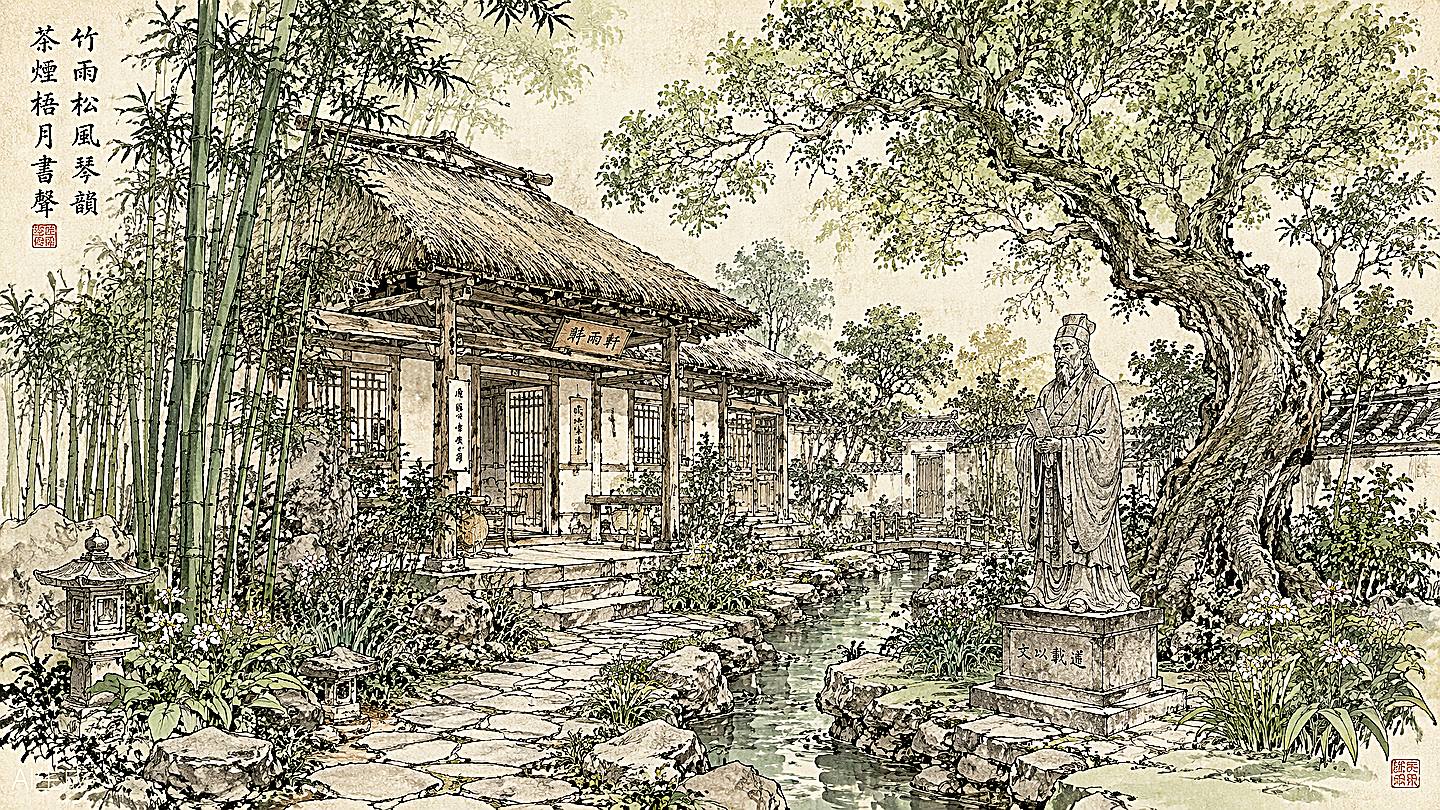
中轴线上大廨、诗史堂、柴门、工部祠依次展开;茅屋故居依清代图志复建,重现「八月秋高风怒号」的场景;大雅堂陈列历代诗人雕像与大型磨漆壁画;万佛楼 2005 年重建,登楼可览园林全景。唐代遗址出土的生活器物,让诗圣的日子触手可及。工部祠内的杜甫石刻像是明代遗存。[1]
参观贴士
地铁 4 号线草堂北路站下车步行可达,参观约两小时。园林四季常青,梅园冬末春初最盛;夏季雨后竹林清幽,是读杜诗的最佳氛围。讲解服务可在游客中心预约;可与紧邻的浣花溪公园、四川博物院安排同日游览。草堂北门外的青华路餐饮集中,用餐方便。每年人日(正月初七)草堂有祭诗圣的传统活动。[1]
Overview
By Huanhua Creek in western Chengdu stands the thatched cottage where the Tang poet Du Fu lived in exile for three years and nine months, writing more than 240 poems including 'My Cottage Unroofed by Autumn Gales.' The garden now spreads over 20 hectares of nanmu and bamboo around the Hall of Poetic History — sacred ground of Chinese literature.
Du Fu arrived with his family in the winter of 759 and built his cottage the next spring; after he left, it fell to ruin until the Five Dynasties poet Wei Zhuang found the site and re-thatched it. Rebuilt many times, the complex took its present form in 1811. The thatched cottage has been recreated from Qing records; the Daya Hall gathers statues of great poets; the Wanfo Pagoda, rebuilt in 2005, overlooks the grounds; and a Tang-dynasty living site excavated in 2001 puts the poet's daily life within reach.
Walk from Caotang North Road Station on subway Line 4 — about two hours for the full visit. The gardens are green year-round, with plum blossoms peaking in late winter; bamboo after summer rain is the perfect mood for reading Du Fu. Book guided tours at the visitor center, and combine with Huanhuaxi Park and the Sichuan Museum next door.