概览
成都武侯祠坐落于南郊,是中国唯一一座君臣合祀的祠庙,前殿祀蜀汉先主刘备,后殿祀丞相诸葛亮,与刘备惠陵相邻。祠内古柏森森、碑碣林立,三国遗迹密度冠绝全国,1961 年列入首批全国重点文物保护单位。刘备殿与诸葛亮殿前后相衔,体现「君尊臣敬」的礼制格局。[1]
历史沿革
蜀汉章武三年(223 年)刘备病逝白帝城,归葬成都惠陵,陵旁建汉昭烈庙;诸葛亮的武侯祠最初建于少城,明代初年并入昭烈庙,形成君臣合祀格局。现存建筑为清康熙十一年(1672 年)重建,此后历代培修。1984 年成立成都武侯祠博物馆。民国以来祠庙屡经维修,格局一仍其旧。[1]
看点
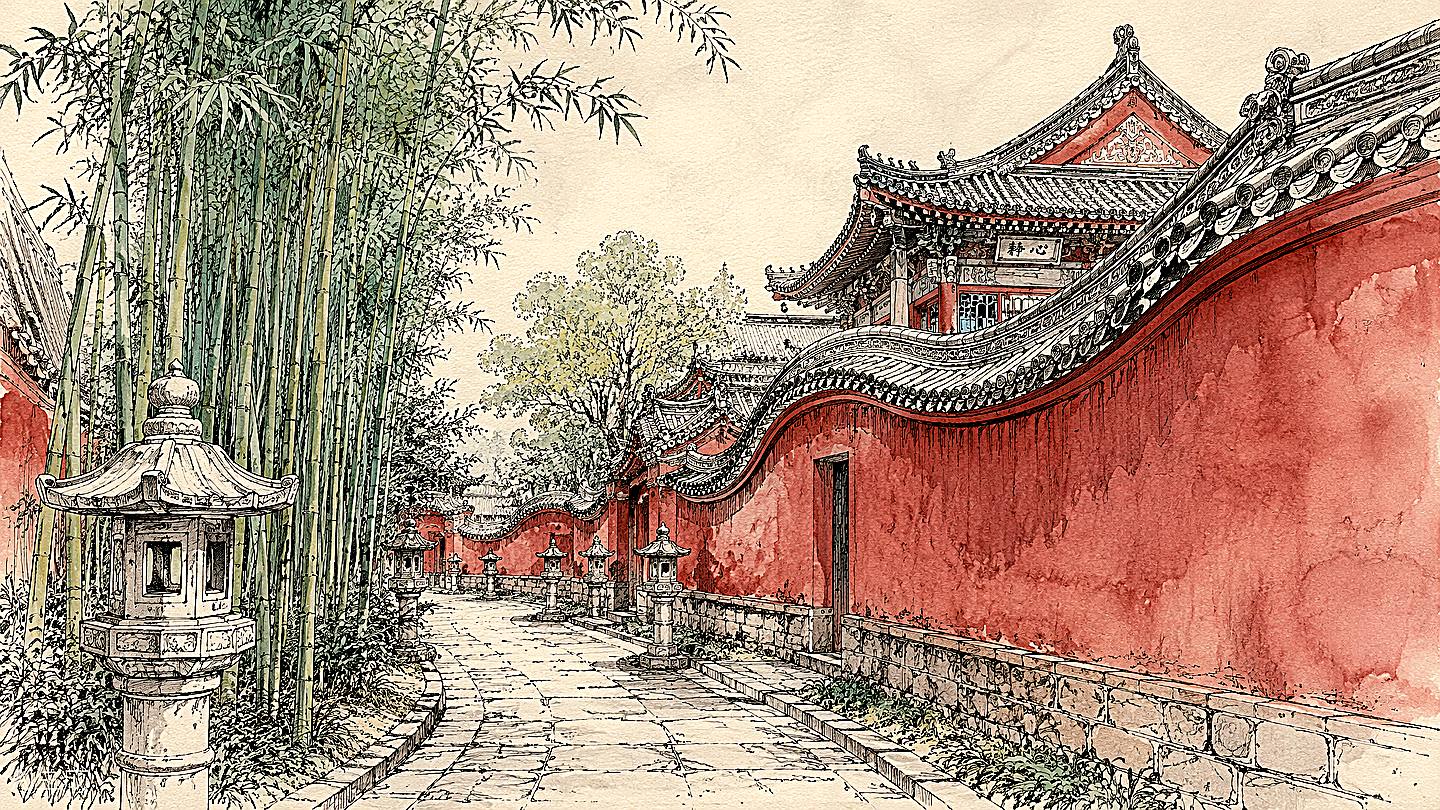
唐碑(蜀丞相诸葛武侯祠堂碑)由裴度撰文、柳公绰书丹、鲁建刻字,世称「三绝碑」;诸葛亮殿悬清末赵藩所撰「攻心联」,历来被奉为治蜀名言;岳飞手书《出师表》刻石笔力纵横。惠陵封土沉静,神道两侧红墙夹道、竹影婆娑,是成都最出片的角落之一。近年迁建入园的三义庙,补全了桃园结义的叙事。[1]
参观贴士
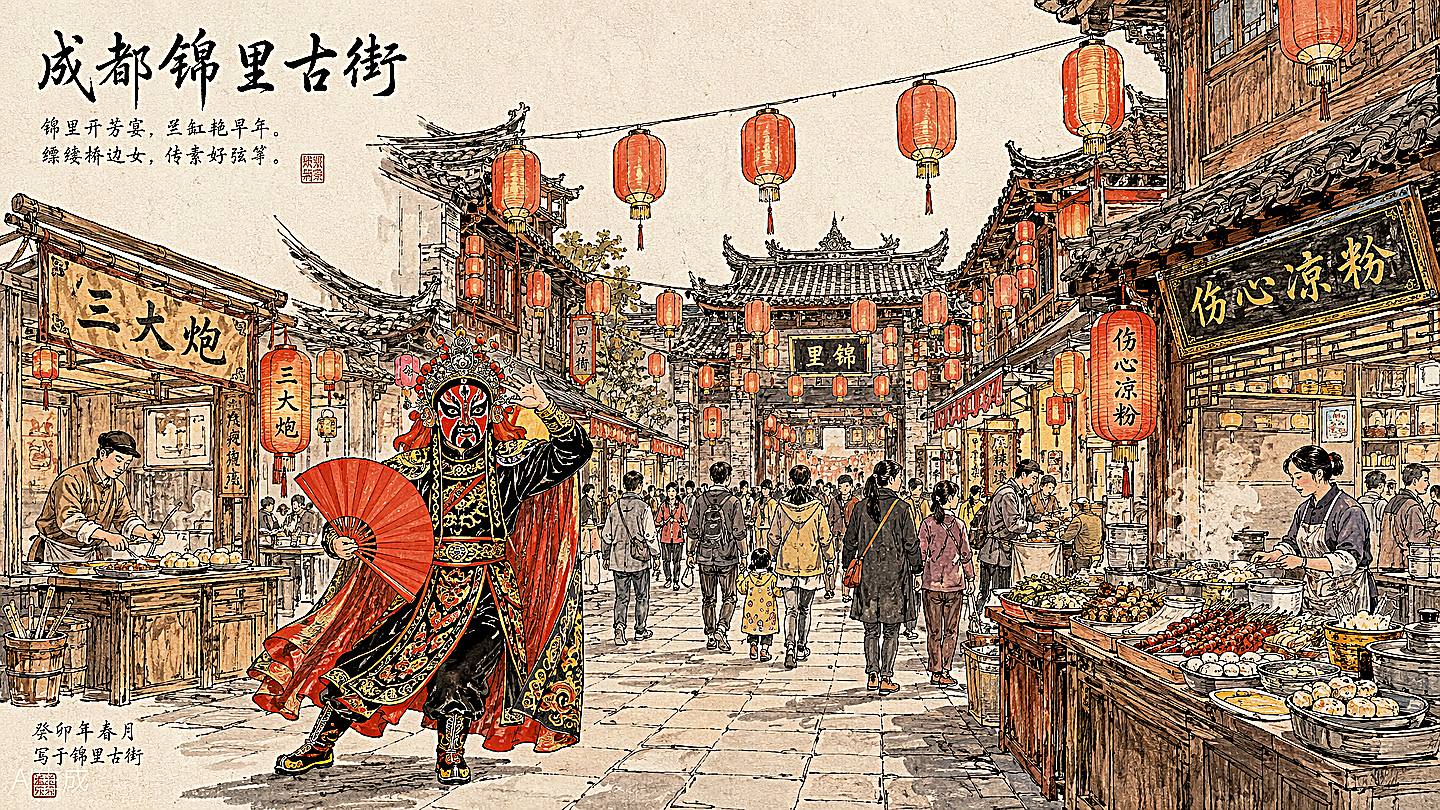
地铁 3 号线、5 号线高升桥站下车步行可达,参观约两小时,建议租讲解器细读楹联碑刻。红墙夹道清晨人最少,适合拍照。出祠门即锦里古街,可一并游览;祠内三国文化活动丰富,春节大庙会期间人流极大,注意错峰。门票含惠陵与三义庙,全部看完约需三小时。[1]
Overview
In southern Chengdu, Wuhou Shrine is China's only temple jointly honoring a ruler and his minister: the front hall memorializes Liu Bei, founding emperor of Shu Han, the rear hall his strategist Zhuge Liang, with Liu Bei's Huiling Tomb beside. Ancient cypresses shade a forest of steles — the densest concentration of Three Kingdoms relics in the country, protected at national level since 1961.
After Liu Bei died in 223 he was buried at Huiling, with the Zhaolie Temple beside the tomb; Zhuge Liang's shrine, first built elsewhere in the city, was merged into the complex in the early Ming. The present buildings date to a 1672 Qing reconstruction. The Tang stele of 809 — text by Pei Du, brushwork by Liu Gongchuo, carving by Lu Jian — is the 'Stele of Three Perfections'; Zhao Fan's famous 'winning hearts' couplet hangs in Zhuge's hall; and the red-walled, bamboo-shaded corridor by the tomb is Chengdu's most photographed scene.
Walk from Gaoshengqiao Station on subway Line 3 or 5. Allow about two hours with an audio guide for the couplets and steles; the red-wall corridor is emptiest at opening time. Jinli Street begins at the shrine gate — visit both together, but expect heavy crowds during the Spring Festival temple fair.