概览
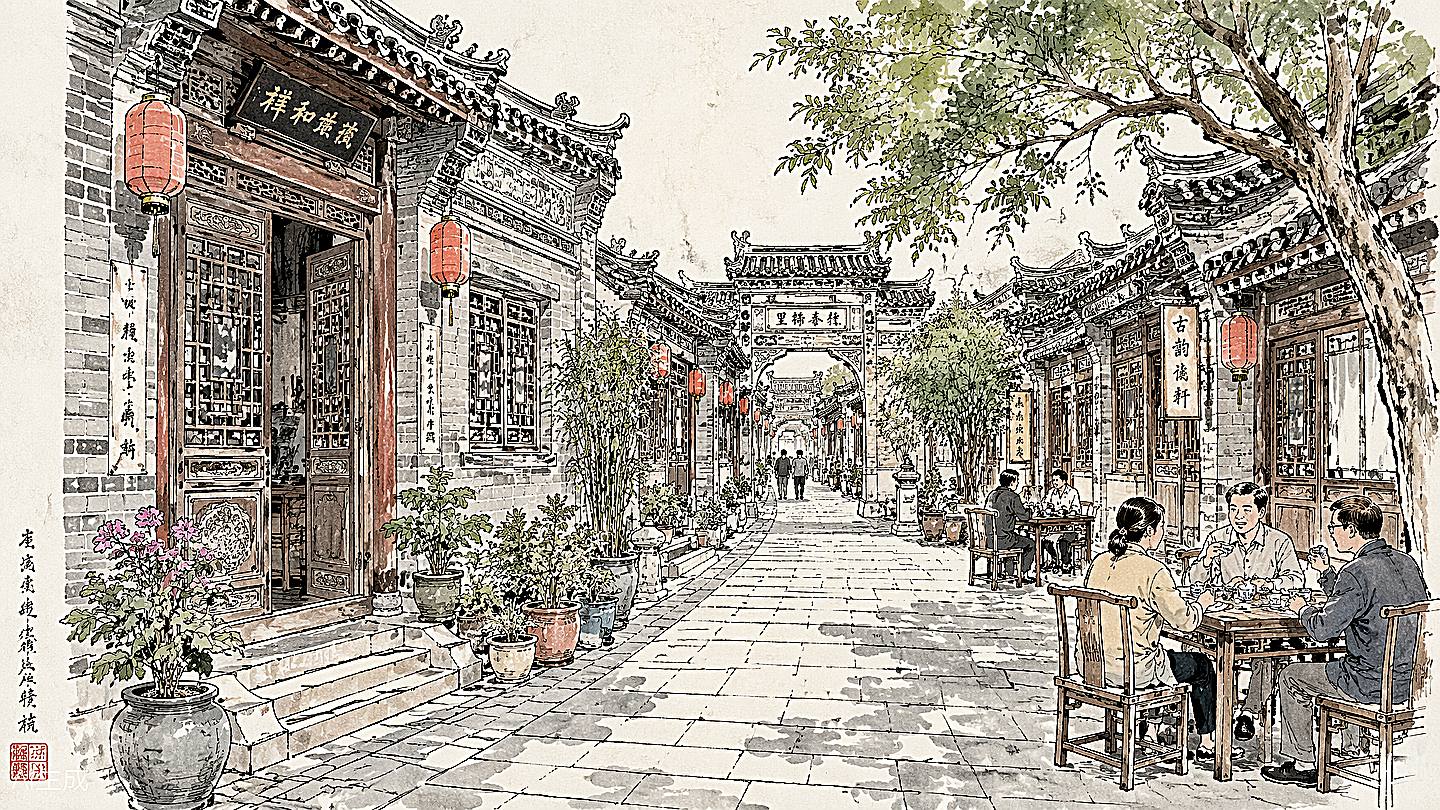
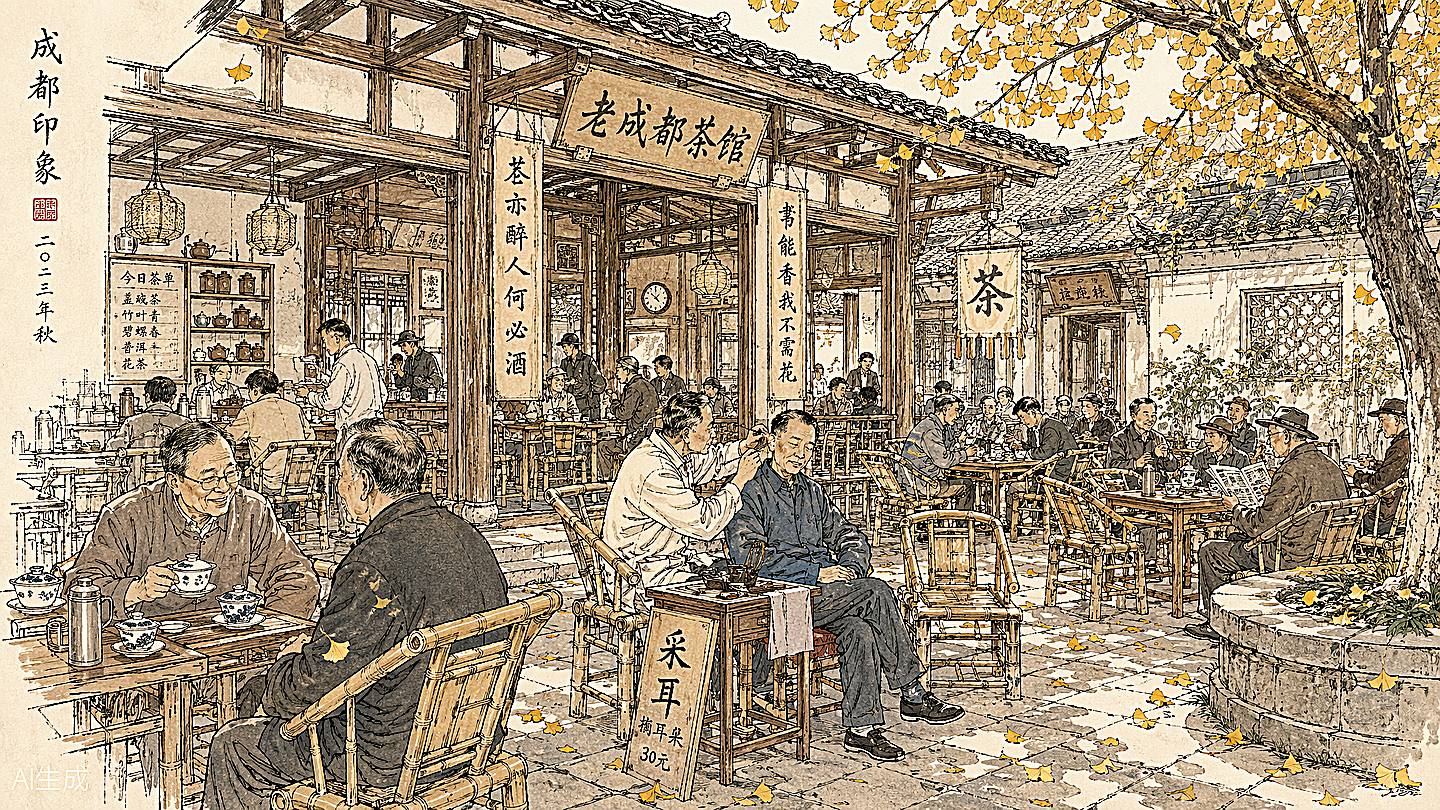
成都人民公园位于市中心少城路,始建于 1911 年,是四川最早的城市公园。园内百年鹤鸣茶社竹椅成行,盖碗茶香与掏耳朵的叮当声交织,是体验成都「巴适」慢生活的头号现场;冬日银杏金黄,相亲角人声鼎沸。这里被称为成都人的「客厅」,也是游客的第一堂成都课。[1]
历史沿革
清宣统三年(1911 年),成都将军玉昆将满城(少城)南段辟为公园,初名少城公园,1950 年改名人民公园。园内的辛亥秋保路死事纪念碑建于 1913 年,纪念四川保路运动中殉难志士,是辛亥革命的重要历史地标。鹤鸣茶社创立于二十世纪二十年代,近百年来茶客不绝。[1]
看点
鹤鸣茶社沿湖而设,老虎灶铜壶高冲,一碗素茶可以坐一下午;掏耳匠人音叉轻响,是成都独有的非遗级享受。保路运动纪念碑方碑耸立,基座浮雕记载川路风云。人工湖可划船,冬季银杏大道落叶铺金,相亲角每周固定时段「开市」,堪称社会学现场。园中的菊展与灯会,各有数十年的传统。[1]
参观贴士
地铁 2 号线人民公园站下车即到,公园公版开放,茶社消费丰俭由人。上午十点后茶座渐满,想坐湖边好位置请赶早;掏耳朵请选择园内正规摊点。游览约两小时,与宽窄巷子仅一站路,适合串联成「最成都」半日闲。茶社可无限续水,坐多久都行,不必客气。相亲角通常在周末上午最热闹,不妨驻足旁观。[1]
Overview
On Shaocheng Road in central Chengdu, People's Park opened in 1911 as Sichuan's first public park. Rows of bamboo chairs at the century-old Heming Teahouse, lidded tea bowls, and the clink of ear-cleaners' tuning forks make it the premier stage for Chengdu's 'bashi' slow life — golden ginkgos in winter, a bustling matchmaking corner year-round.
The Qing garrison general Yukun opened the southern strip of the Manchu quarter as Shaocheng Park in 1911; renamed People's Park in 1950, it holds the 1913 Monument to the Martyrs of the Railway Protection Movement, a landmark of the 1911 revolution's Sichuan chapter. Heming Teahouse has poured tea since the 1920s — copper kettles, tall pours, and afternoons that stretch forever — while ear-cleaning craftsmen practice a Chengdu specialty, and parents advertise their unmarried children on umbrella-hung notices at the matchmaking corner.
Take subway Line 2 to People's Park Station. Entry is free; tea is priced per bowl, and lakeside seats fill after 10 a.m., so come early. Choose the established ear-cleaning stalls in the park. Allow about two hours — Kuanzhai Alley is one stop away for a perfect 'most Chengdu' half day.