概览
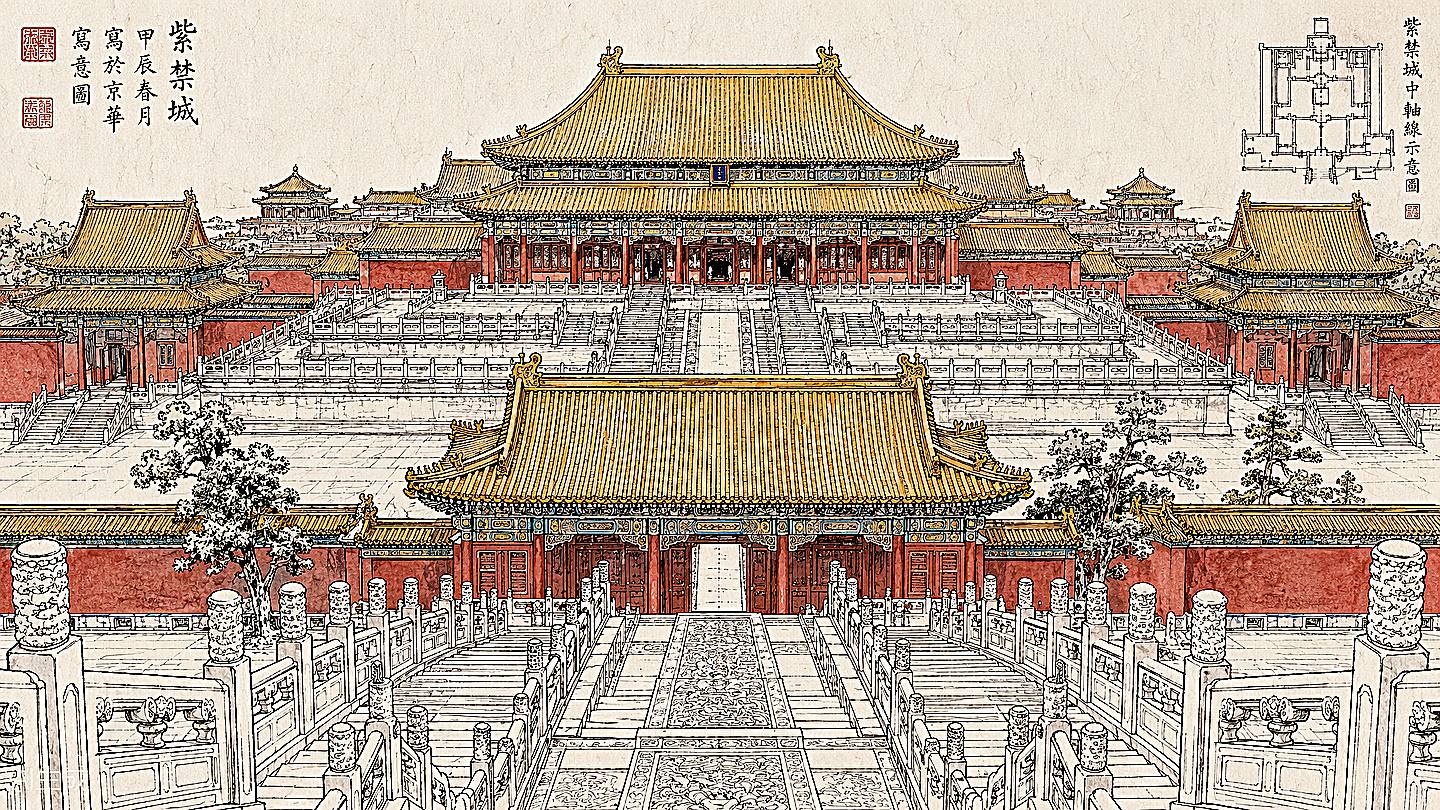
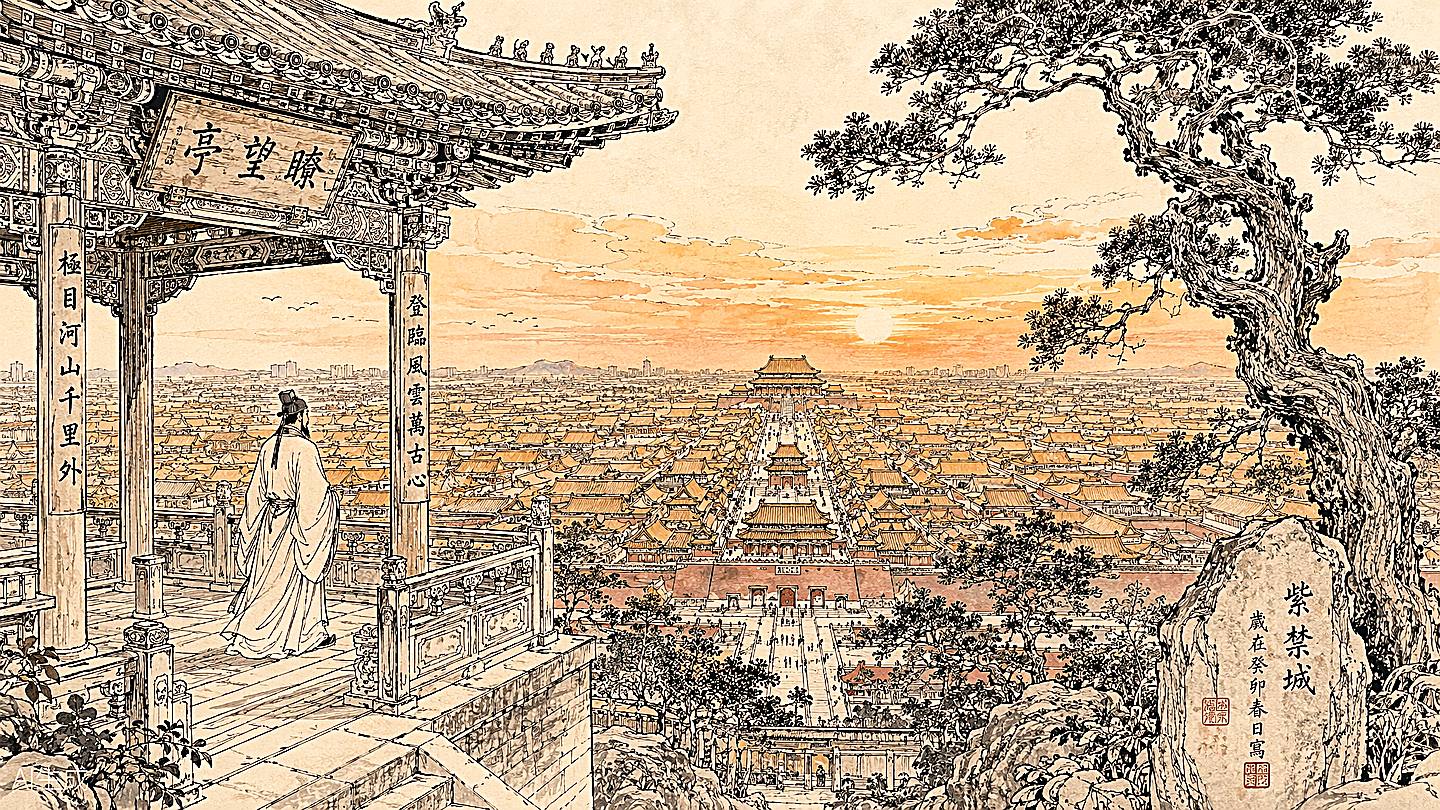
景山公园位于故宫正北、北京中轴线的中心点上,曾是明清两代的皇家御苑。园内主峰高约 43 米,由明代开挖护城河的泥土堆成,是老北京城的制高点,山顶万春亭可南瞰故宫全景、北望钟鼓楼,被称为「京华揽胜第一处」。这里也是俯瞰北京中轴线全貌的最佳地点。[1]
历史沿革
元代这里已是皇家后苑,明永乐年间营建北京时以挖掘护城河的土方堆山,称「万岁山」,民间俗称「煤山」。明崇祯十七年(1644 年)李自成攻入北京,崇祯帝于山东麓自缢。清顺治十二年(1655 年)改名景山,乾隆年间于五峰各建一亭。1928 年景山正式辟为公园。[1]
看点
五座亭子中以主峰万春亭最为高大,三重檐四角攒尖,黄琉璃瓦绿剪边;东西两侧的观妙、周赏、辑芳、富览四亭对称分布。山麓寿皇殿建筑群是清代供奉帝后影像的祭祖之所,规制仿太庙,修缮后已对外开放;山下的明思宗殉国处与老槐树,至今吸引着凭吊者。辑芳亭以西是眺望故宫角楼与北海白塔的好角度。[1]
参观贴士
出故宫神武门过马路即到景山南门,最适合与故宫同日游览。登顶只需十余分钟,日落前一小时上山,可看夕阳为紫禁城金瓦镀上暖光,是摄影爱好者的固定机位。春季牡丹、芍药花会是园内盛事;公园票价低廉,可使用北京市公园年票。秋季菊花展同样是京城传统花事,值得专程一看。[1]
Overview
Directly north of the Forbidden City, at the heart of Beijing's central axis, Jingshan Park was an imperial garden of the Ming and Qing dynasties. Its 43-meter central peak, piled from earth excavated for the palace moat, was once the highest point in the old city; the Wanchun Pavilion on top frames the classic panorama of the palace's golden roofs.
The hill was raised in the early Ming and called 'Longevity Hill' — popularly 'Coal Hill'; in 1644 the last Ming emperor, Chongzhen, took his life at its eastern foot as rebels entered the city. Renamed Jingshan ('Prospect Hill') in 1655, it gained five symmetrically placed pavilions under Qianlong and opened as a public park in 1928. The Shouhuang Hall complex at its foot, where Qing emperors venerated imperial portraits, has been restored and opened to visitors.
The park's south gate faces the Forbidden City's north exit across the street — an ideal same-day pairing. The summit climb takes about fifteen minutes; arrive an hour before sunset to watch the light gild the palace roofs. Spring peony season is a local favorite, and admission costs just a few yuan.