概览
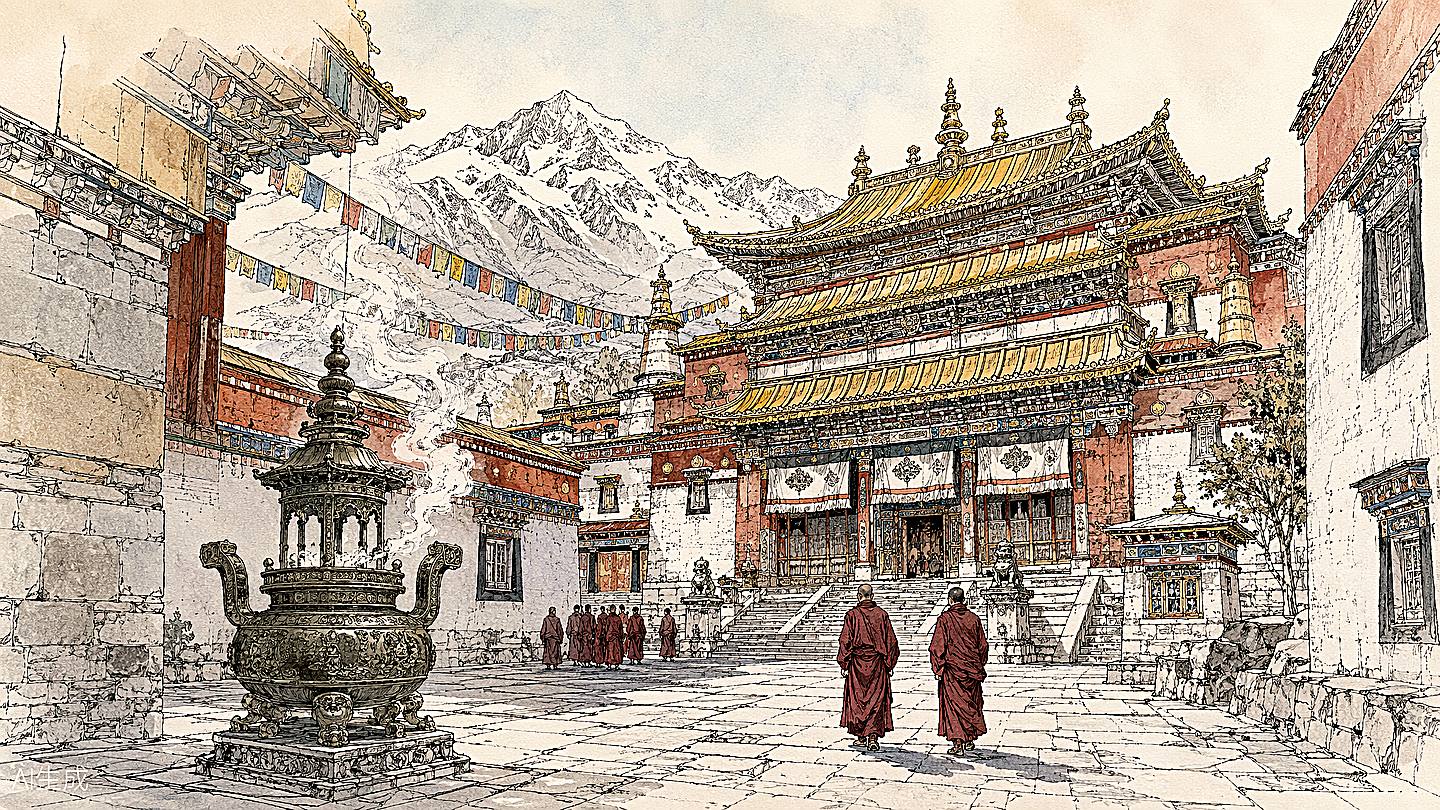
雍和宫位于北京东北二环内,是北京规模最大、规格最高的藏传佛教格鲁派寺院。建筑群沿中轴线展开,黄瓦红墙,融汉、满、蒙、藏建筑艺术于一体,殿内珍藏的木雕「三绝」享誉中外,终年香火旺盛。整座建筑群等级森严、法相庄严,是汉藏文化交流的重要见证。它与故宫、孔庙同属京城中轴线上最重要的古建筑遗存之一。[1]
历史沿革
清康熙三十三年(1694 年),这里初建为皇四子胤禛的府邸;胤禛即位后于雍正三年(1725 年)升为行宫,始称雍和宫。乾隆九年(1744 年),乾隆帝将其改为藏传佛教寺院,自此雍和宫成为清廷管理藏传佛教事务的中心,也是连接中央与蒙藏地区的重要纽带。[1]
看点
万福阁内供奉的弥勒立像地上高 18 米,由一整根白檀香木雕成,1990 年载入吉尼斯世界纪录;法轮殿内的五百罗汉山以紫檀木雕镂,五百罗汉由金、银、铜、铁、锡五种金属铸就;照佛楼的楠木佛龛雕工精绝,三者并称「木雕三绝」。天王殿、雍和宫殿、戒台楼与班禅楼也值得依次细看。[1]
参观贴士
地铁 2 号线、5 号线雍和宫站下车即到。宫内可公版领取香一把,进殿请遵守不拍佛像、不踩门槛的礼俗。农历正月的金刚驱魔神舞(俗称「打鬼」)法会最具盛名,吸引大量信众游客。游览全程约两小时,可与一街之隔的国子监、孔庙安排在同一线路。参观全程约两小时,农历初一、十五香客最多。[1]
Overview
Inside Beijing's northeastern Second Ring Road, Yonghe Temple — the Yonghe Lamasery — is the city's largest and most prestigious Tibetan Buddhist monastery of the Gelug school. Golden roofs and red walls along a central axis blend Han, Manchu, Mongol, and Tibetan styles, sheltering masterworks of woodcarving and drawing worshippers year-round.
Built in 1694 as the residence of Prince Yinzhen, it became an imperial palace in 1725 after he ascended the throne as the Yongzheng Emperor; in 1744 the Qianlong Emperor converted it into a lamasery, thereafter a key link between the Qing court and the Mongolian and Tibetan regions. Its 'three carving masterpieces' are the 18-meter Maitreya sculpted from a single sandalwood trunk (a Guinness record), the Mountain of Five Hundred Arhats in red sandalwood, and the exquisite nanmu niche of Zhaofo Tower.
Take subway Line 2 or 5 to Yonghegong Station. Free incense is distributed inside; observe etiquette by not photographing the statues and not stepping on thresholds. The Cham 'devil-dance' ritual in the first lunar month is the monastery's most famous event. Allow about two hours, and combine with the Confucius Temple and Imperial College just across the street.