概览
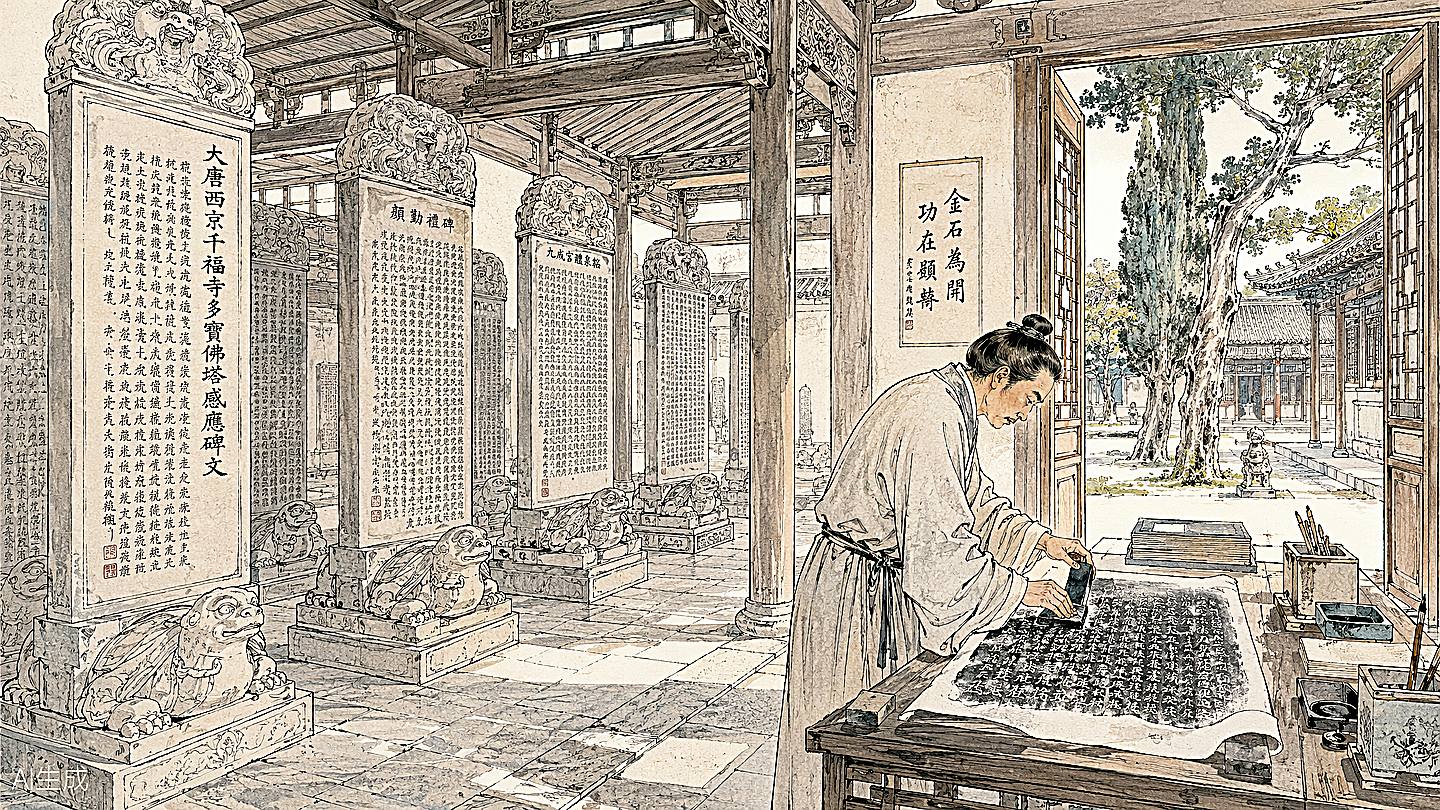
西安碑林博物馆坐落在宋代西安孔庙旧址,始建于北宋元祐二年(1087 年),是中国收藏古代碑石、墓志最多的艺术博物馆,馆藏历代碑石墓志四千余方,被誉为「石质书库」与书法艺术的殿堂。1961 年列入首批全国重点文物保护单位。馆区孔庙照壁、泮池与棂星门仍保存旧时格局。[1]
历史沿革
唐末五代战乱中,《开成石经》《石台孝经》等碑石几经迁移,北宋元祐二年集中移存于府学之北,形成碑林雏形。此后历代增补,明清孔庙屡次重修,构成今日前庙后林的格局。1963 年西安碑林博物馆正式成立,近年正进行改扩建工程,展览条件持续提升。金元明清各代均有碑石入藏,馆藏规模与日俱增。[1]
看点
《石台孝经》由唐玄宗亲书作注,被誉为碑林「迎客第一碑」;《开成石经》刻儒家经典十二部(清代补刻《孟子》而成十三经),共一百余石、六十五万余字;大秦景教流行中国碑记录唐代基督教传入史。颜真卿《多宝塔碑》《颜勤礼碑》、柳公权《玄秘塔碑》、怀仁集王羲之《圣教序碑》,皆书法史上的巅峰之作。[1]
参观贴士
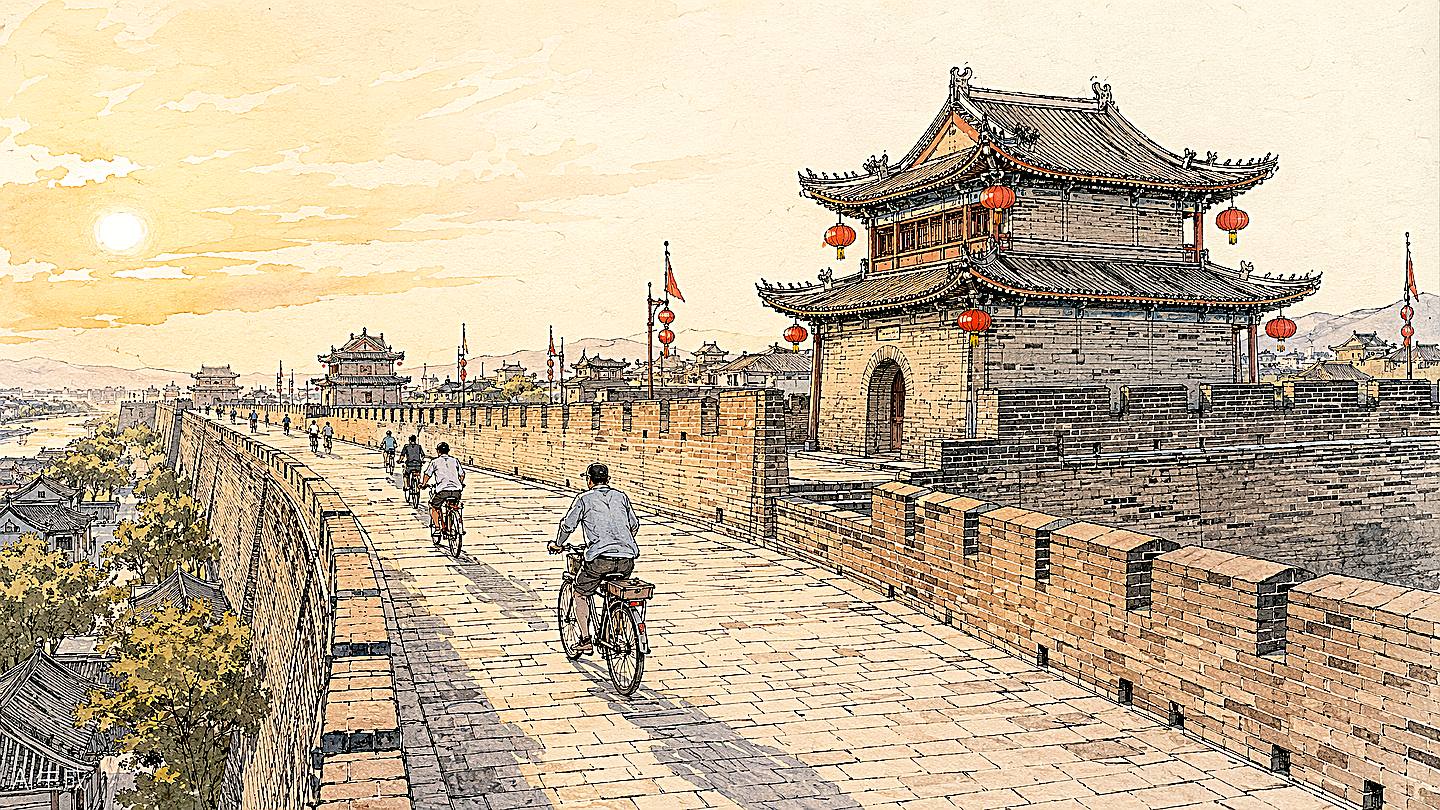
地铁 2 号线永宁门站下车步行可达,参观以碑室、石刻艺术室为主线,全程约两小时,强烈建议租讲解器或跟听讲解。馆内多真迹原碑,请勿触摸、勿使用闪光灯。可与西安城墙、书院门文化街串联游览,雨天正是逛碑林的好天气。馆旁的书院门街遍布文房四宝与碑帖拓片店铺。[1]
Overview
On the site of the Song-dynasty Confucius Temple, the Xi'an Beilin Museum — the Forest of Steles — was founded in 1087 and holds China's largest collection of ancient stone tablets, over four thousand pieces. Hailed as a 'library in stone,' it is the nation's premier temple of calligraphy and was among the first sites placed under national protection in 1961.
The collection began when the Kaicheng Stone Classics and the Stone Platform Classic of Filial Piety were gathered beside the prefectural school in 1087 after decades of wartime wandering. Emperor Xuanzong of Tang himself brushed the Classic of Filial Piety stele; the Kaicheng classics cover the Confucian canon across more than a hundred stones and 650,000 characters; the Nestorian stele records Christianity's arrival in Tang China. Masterpieces by Yan Zhenqing, Liu Gongquan, and the Wang Xizhi 'Holy Teaching' stele mark the summit of the calligraphic art.
Walk from Yongningmen Station on subway Line 2. Follow the stele halls and stone-sculpture galleries with an audio guide — about two hours. These are original monuments: no touching and no flash. Chain the visit with the City Wall and Shuyuanmen culture street; rainy days suit the quiet halls perfectly.