概览
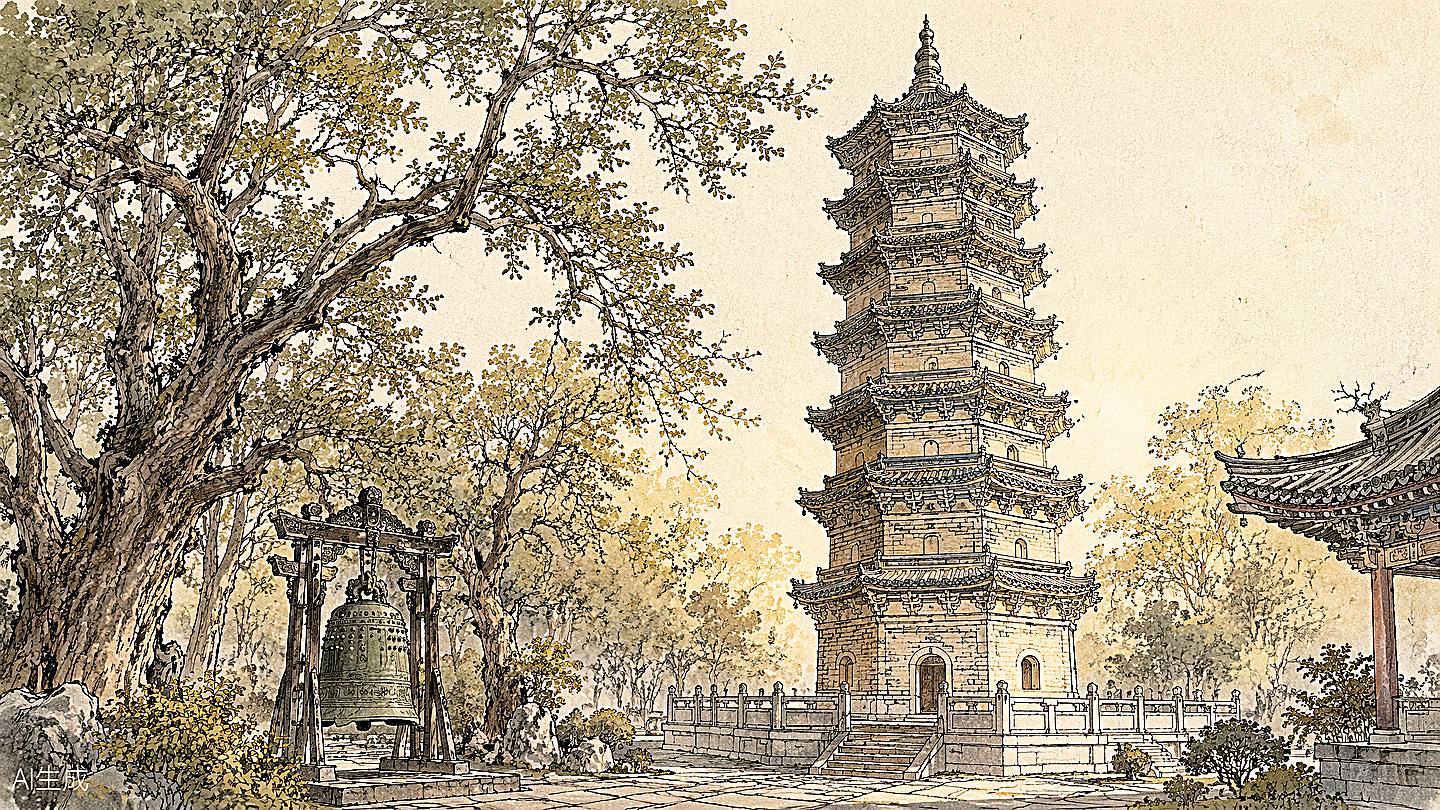
小雁塔位于西安博物院院内,原为唐代荐福寺的佛塔,始建于唐景龙年间(707—709 年)。塔为密檐式砖塔,原十五层,现存十三层,高 43.4 米,线条秀挺,与大雁塔并称唐代长安双塔。2014 年作为「丝绸之路」遗产点列入世界文化遗产。荐福寺曾是唐代长安著名的译经道场之一。[1]
历史沿革
小雁塔由宫人集资兴建,供存放高僧义净从印度带回的佛经。明代关中地震中塔顶两级坍塌,塔身曾震裂又于后世地震中复合,民间称为「神合」。寺内金代大铁钟铸于明昌三年(1192 年),「雁塔晨钟」名列关中八景。2007 年,西安博物院在荐福寺园林中建成开放。[1]
看点
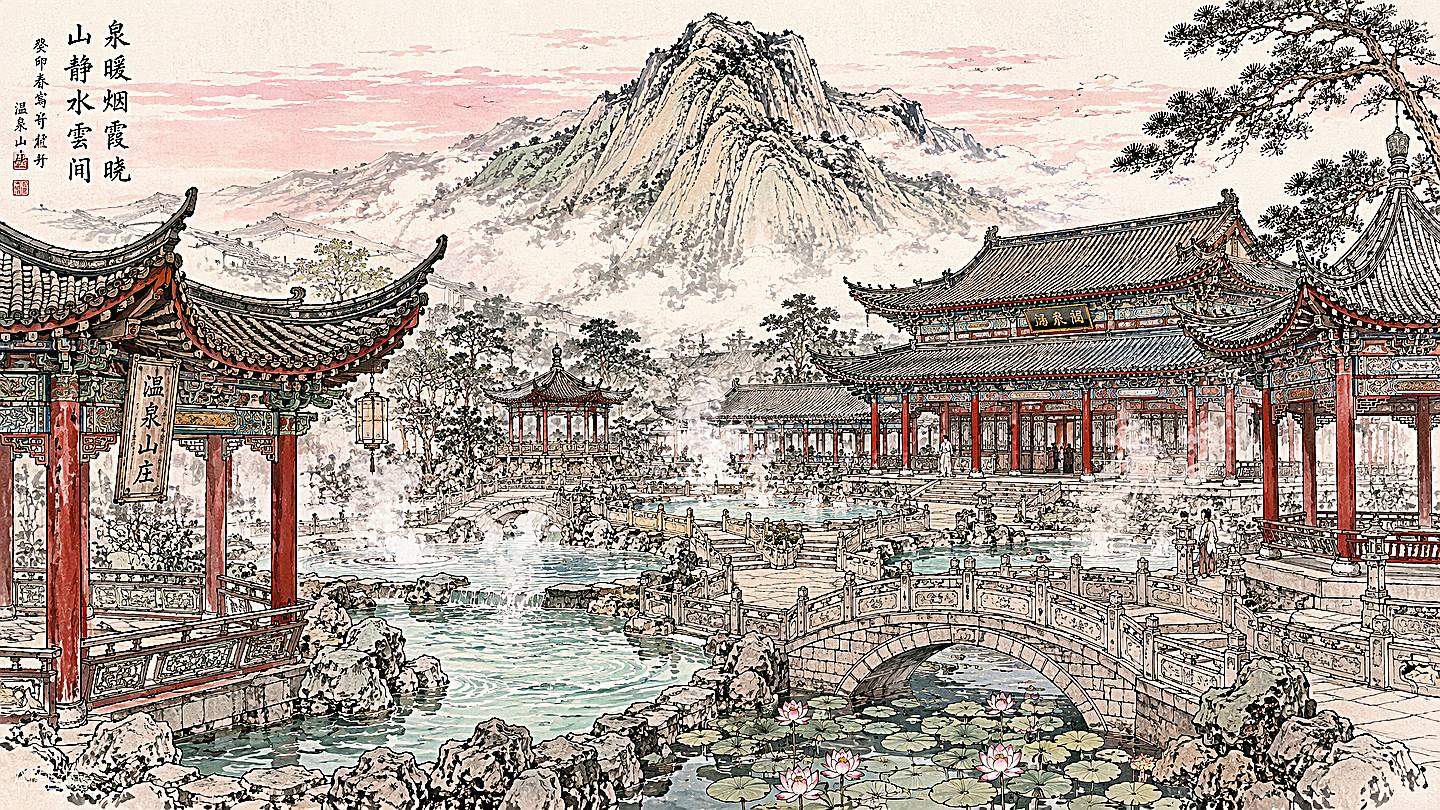
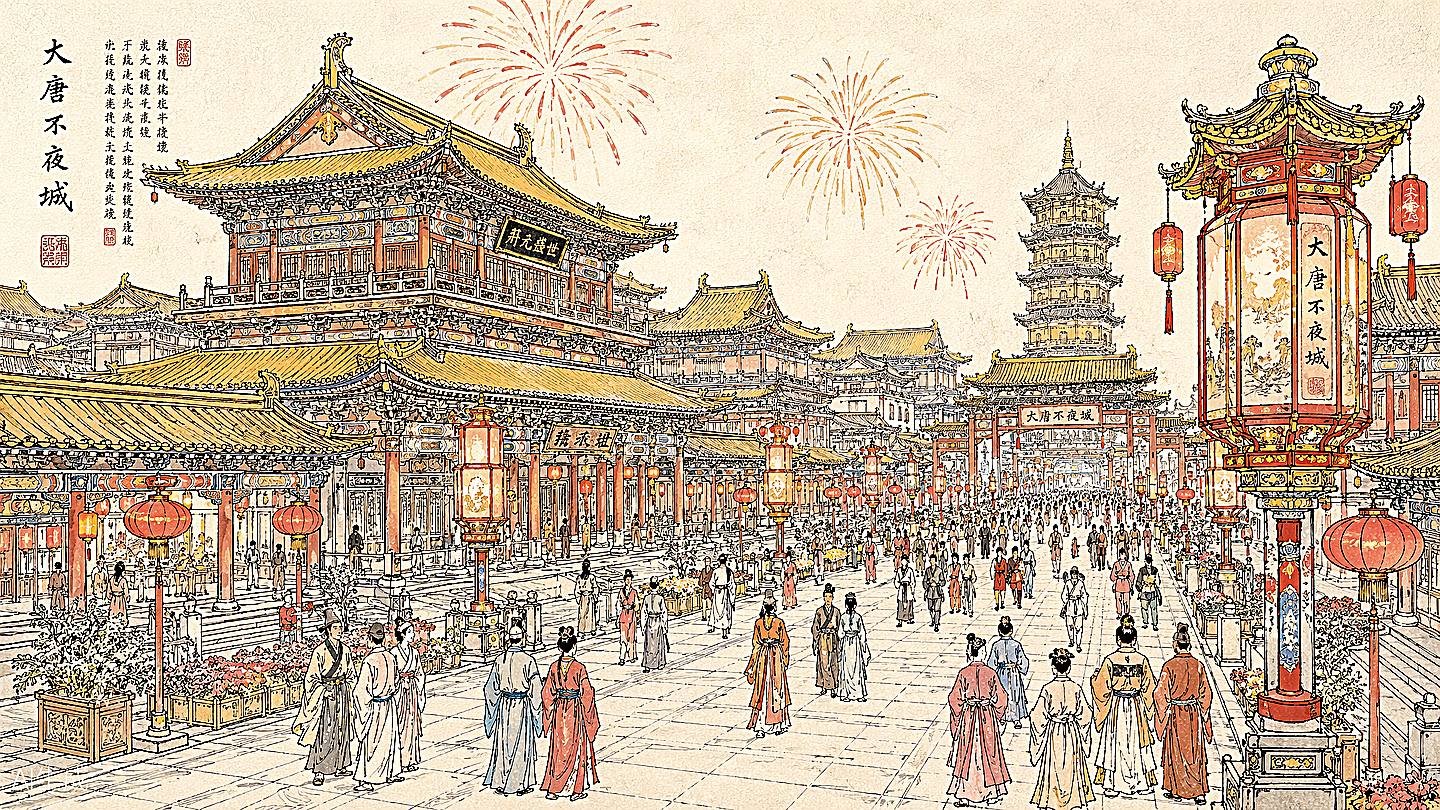
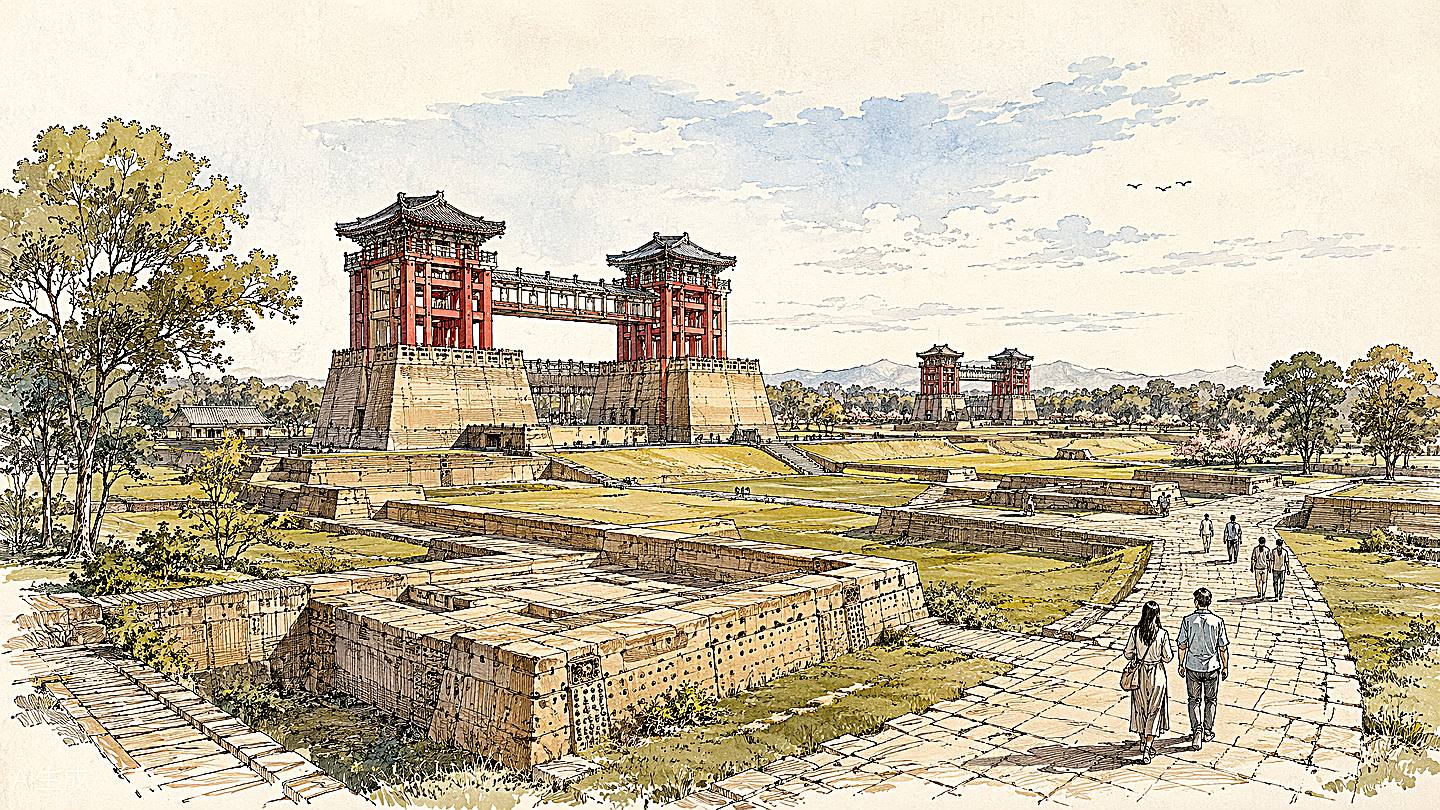
塔身自下而上逐层收分,密檐叠涩出挑,是唐代密檐砖塔的标准器;荐福寺古建筑群与千年古槐相映成趣。西安博物院馆藏文物十余万件,基本陈列以「古都西安」为题,唐长安城模型与三彩俑值得细看。园林公版开放,登塔另购票。博物院内的唐长安城沙盘模型值得驻足细看。[2]
参观贴士
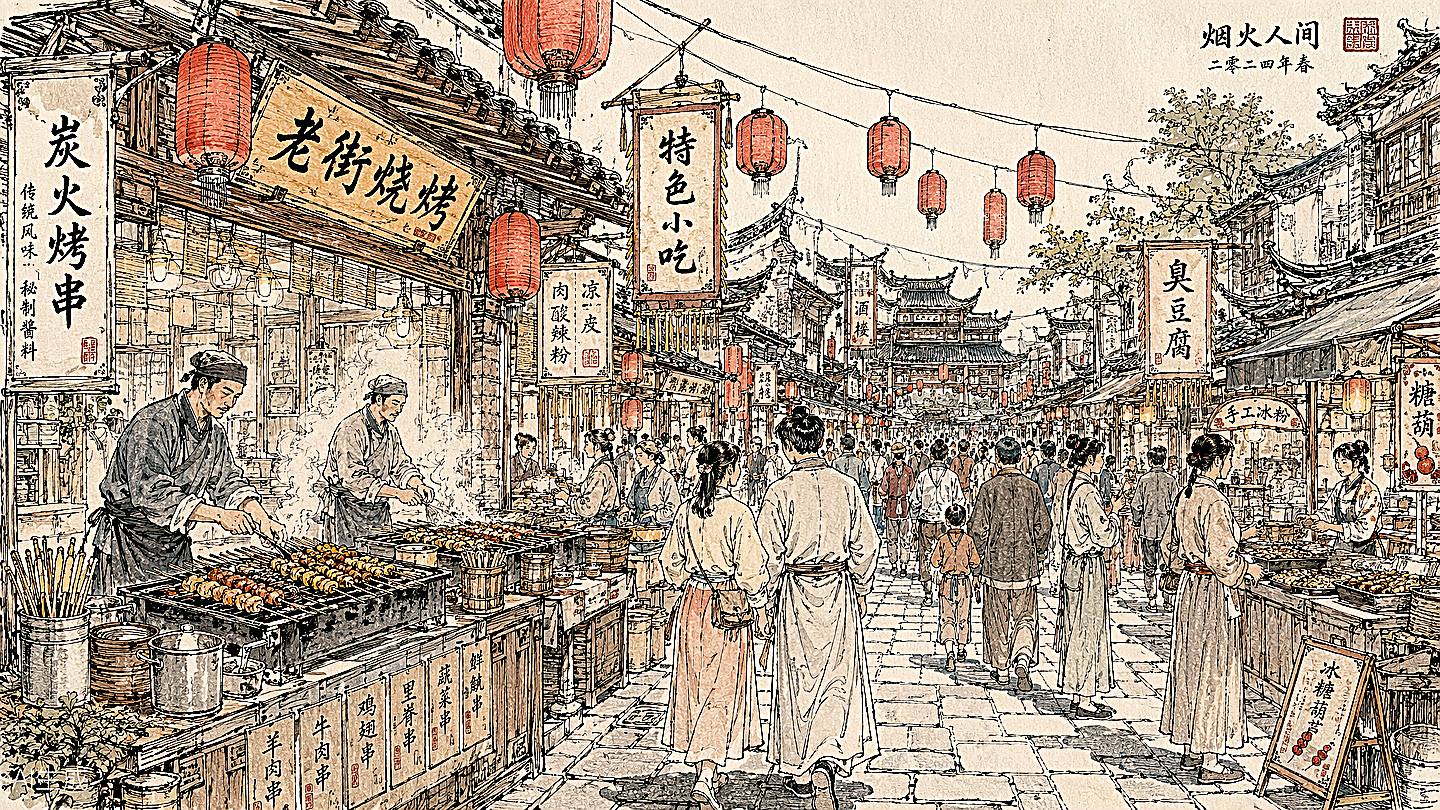
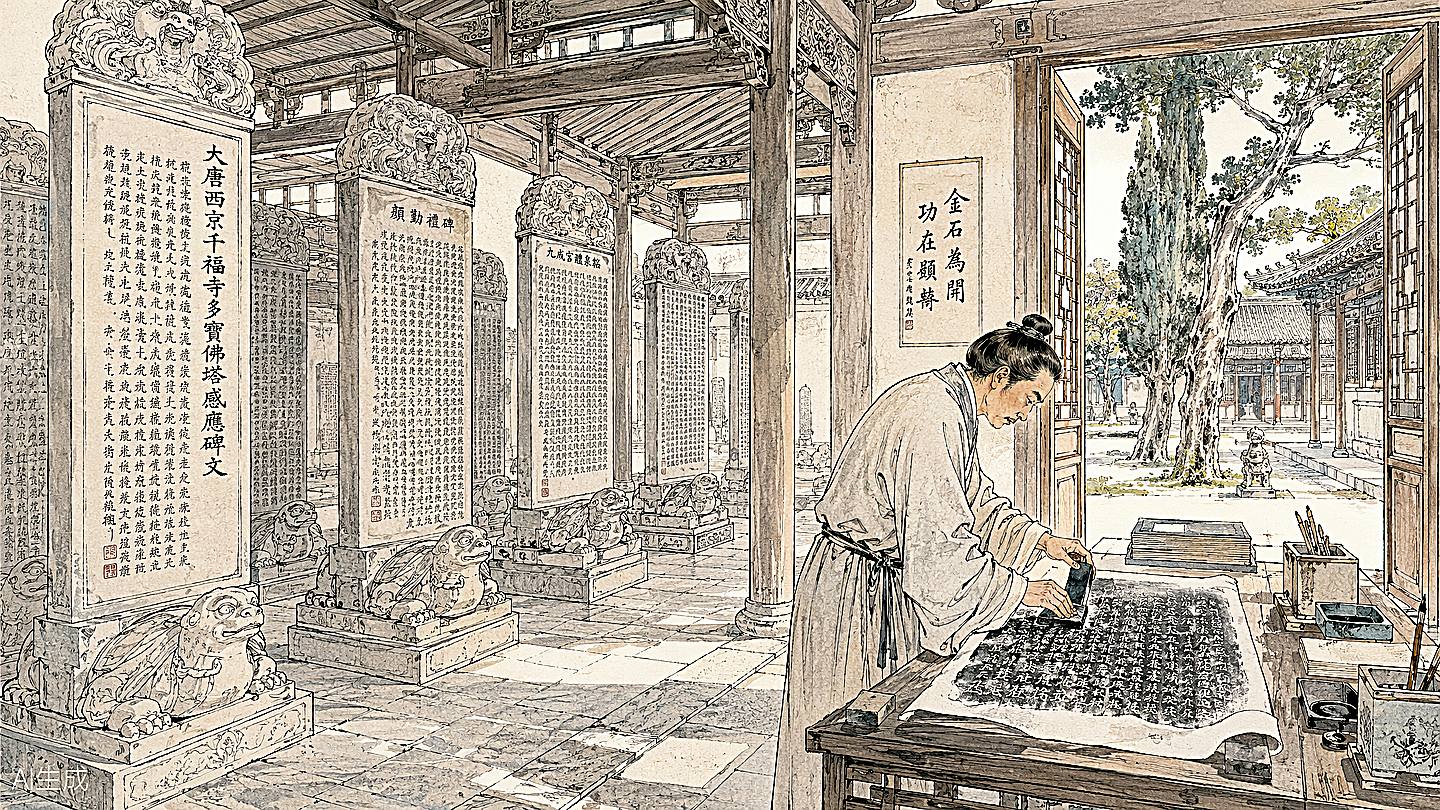
地铁 2 号线、5 号线南稍门站下车步行可达。博物院实行公版预约参观,周一闭馆(法定节假日除外),旺季建议提前在官方渠道预约。清晨入园可遇「雁塔晨钟」的悠扬钟声,游览全程约两小时,可与西安城墙永宁门、碑林博物馆串联成线。园林内茶座临水而设,是闹市中难得的清静处。[2]
Overview
Standing in the grounds of the Xi'an Museum, the Small Wild Goose Pagoda was the stupa of the Tang-dynasty Jianfu Temple, built between 707 and 709. The dense-eaved brick tower originally had fifteen stories; thirteen remain, rising 43.4 meters. Together with its larger twin it defines Tang Chang'an, and in 2014 it joined the Silk Roads World Heritage property.
Court ladies funded the pagoda to store scriptures brought from India by the monk Yijing. Ming-era earthquakes sheared off its top two tiers — and, legend says, cracked the shaft only for later quakes to 'heal' it. The temple's great iron bell, cast in 1192, gives the celebrated 'morning bell of the Wild Goose Pagoda,' one of the Eight Scenes of Guanzhong. The Xi'an Museum opened in the temple gardens in 2007, with a model of Tang Chang'an and fine Tang tri-color pottery.
Walk from Nanshaomen Station on subway Line 2 or 5. The museum is free but requires advance reservation and closes on Mondays except public holidays. Arrive early to hear the morning bell; allow about two hours, and chain the visit with the City Wall at Yongningmen and the Forest of Steles Museum.