概览
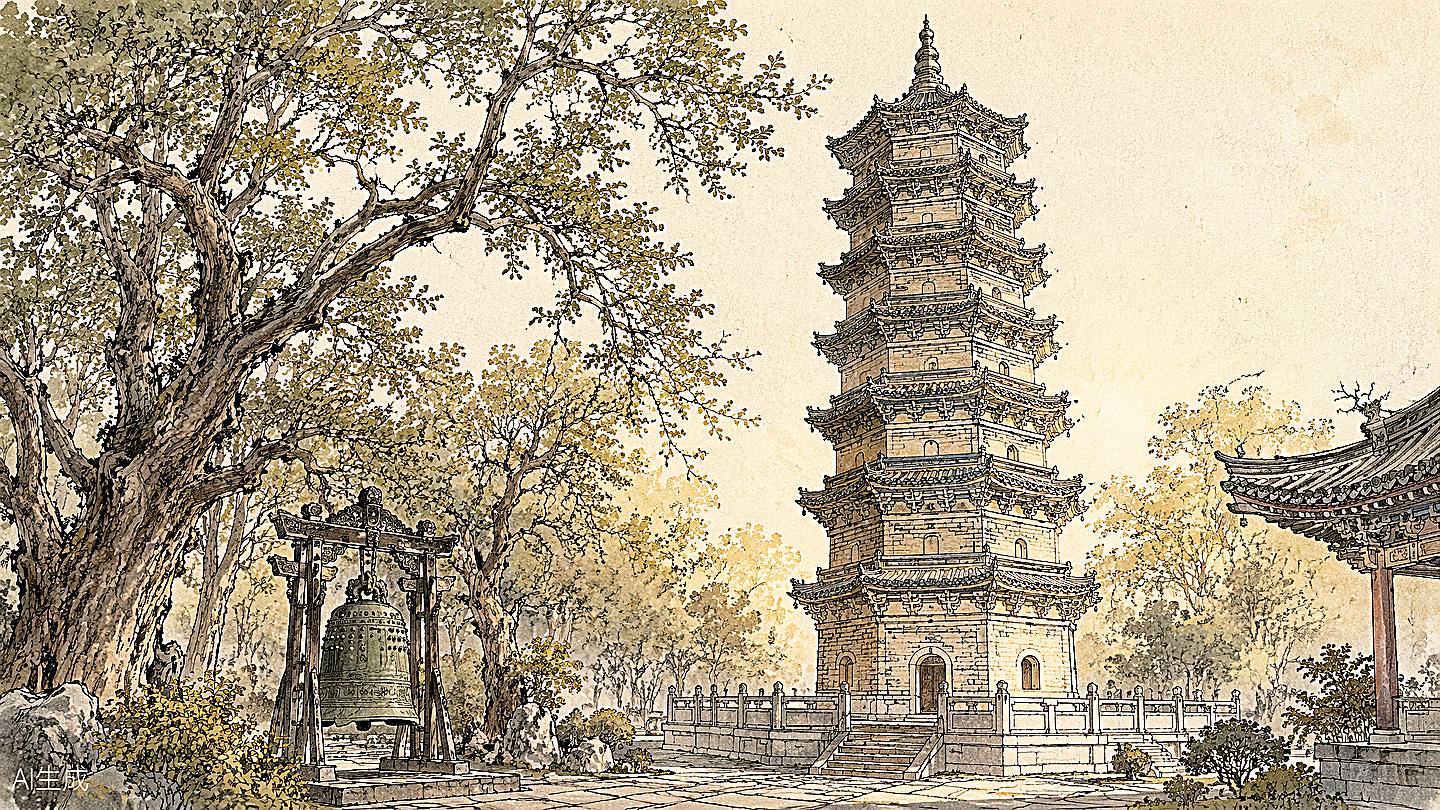
大雁塔位于西安南郊大慈恩寺内,始建于唐永徽三年(652 年),由玄奘法师亲自主持修建,用于存放从印度取回的佛经佛像。塔为楼阁式砖塔,现存七层,通高 64.5 米,是唐代长安城留存至今的标志性建筑。2014 年作为「丝绸之路」遗产点列入世界文化遗产。[1]
历史沿革
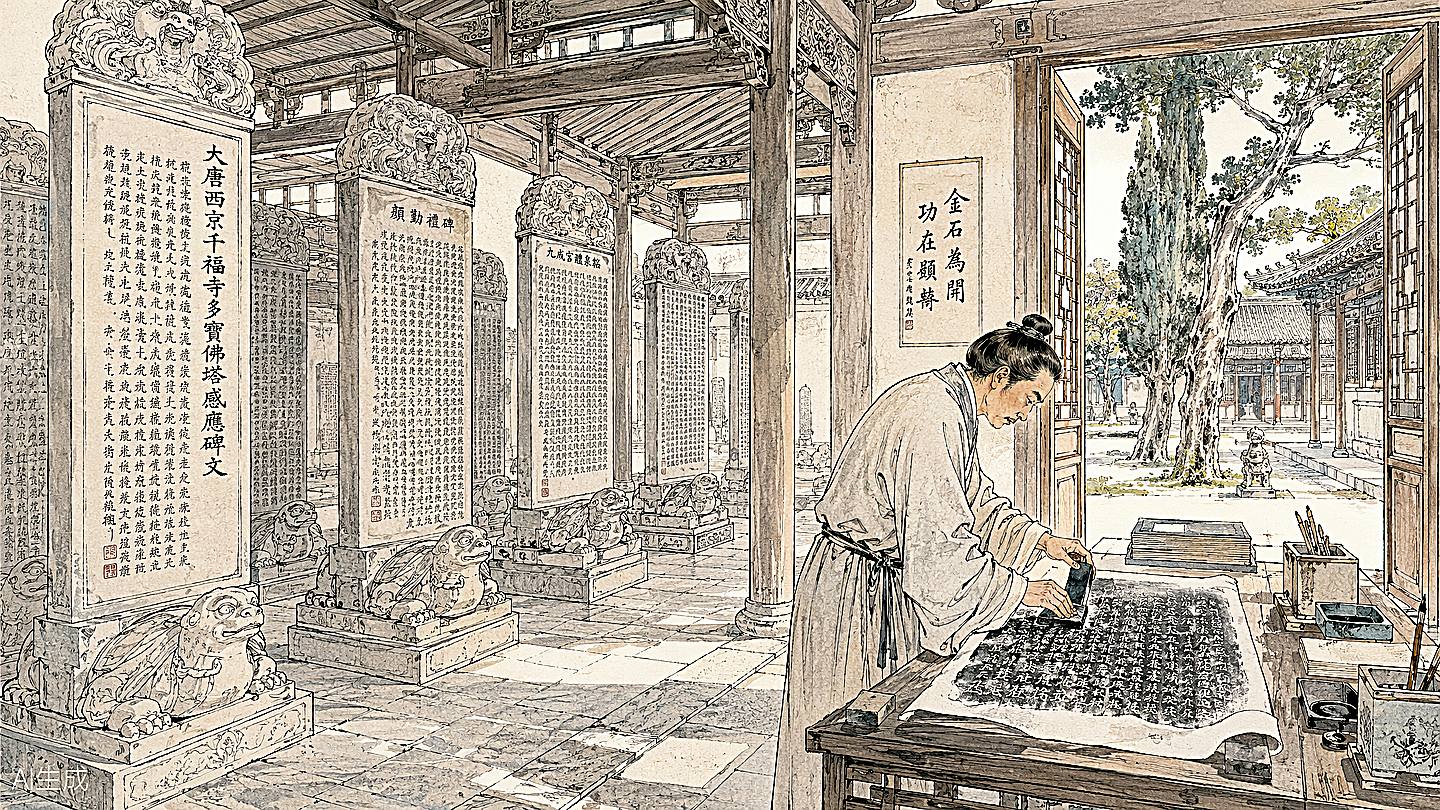
贞观年间玄奘西行取经归来,长住大慈恩寺译经,永徽三年奏请朝廷建塔,初为五层;武周长安年间改建为更高的楼阁式塔,此后历代修葺,明万历年间包砌砖面定型为今日面貌。塔下保存唐代线刻与褚遂良书《大唐三藏圣教序》碑,是初唐书法名迹。「雁塔题名」由此成为唐代进士及第后的风雅传统。[1]
看点
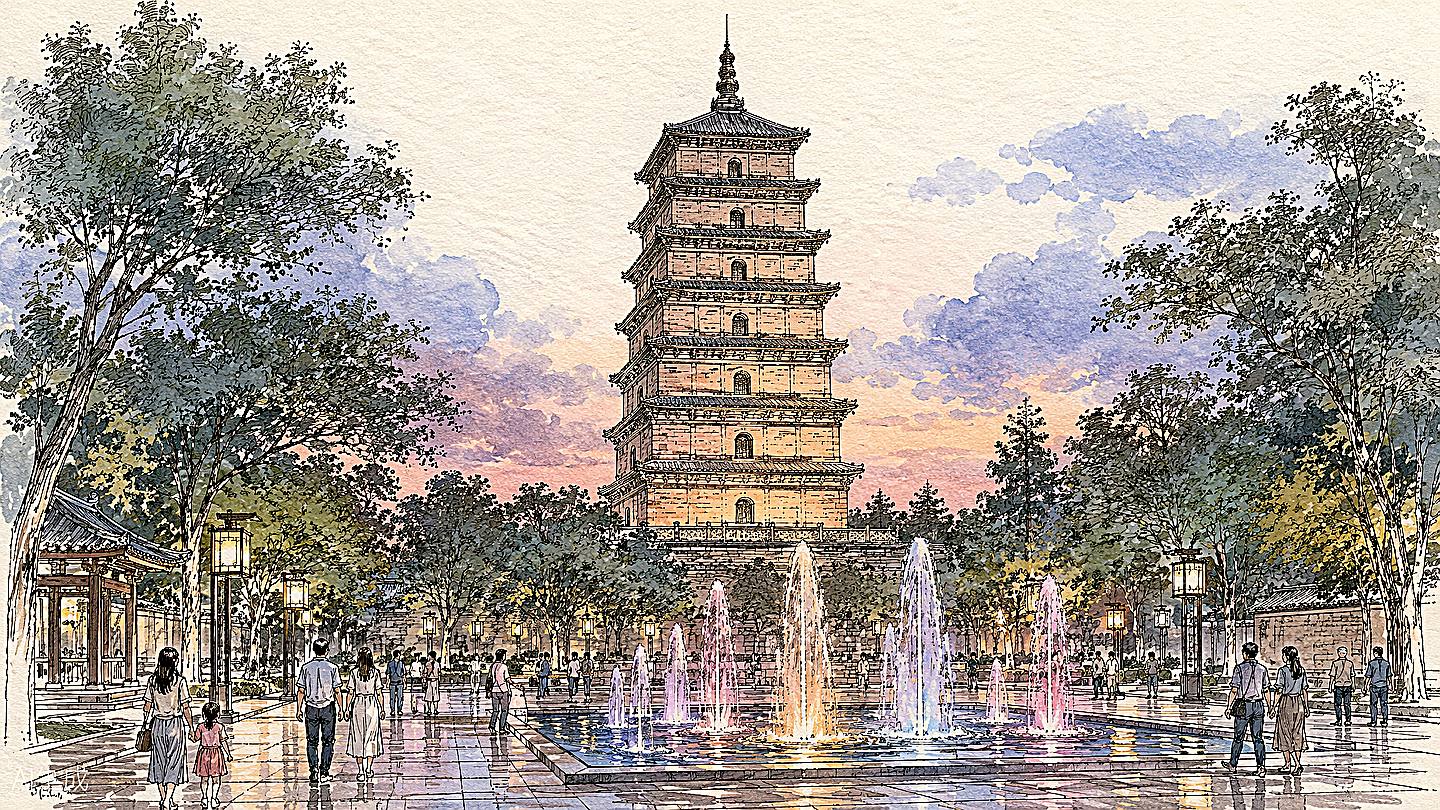
登塔可沿木梯盘旋而上,各层四面开券窗,南望秦岭、北瞰城区;塔内供奉佛舍利与玄奘法师相关文物。塔南门两侧碑亭立有唐太宗、唐高宗撰文、褚遂良书写的「二圣三绝碑」。寺北广场的大型矩阵音乐喷泉夜晚水幕光影交织,与千年古塔相映成趣。寺内钟鼓楼与大雄宝殿仍保存着明清寺院的格局。[2]
参观贴士
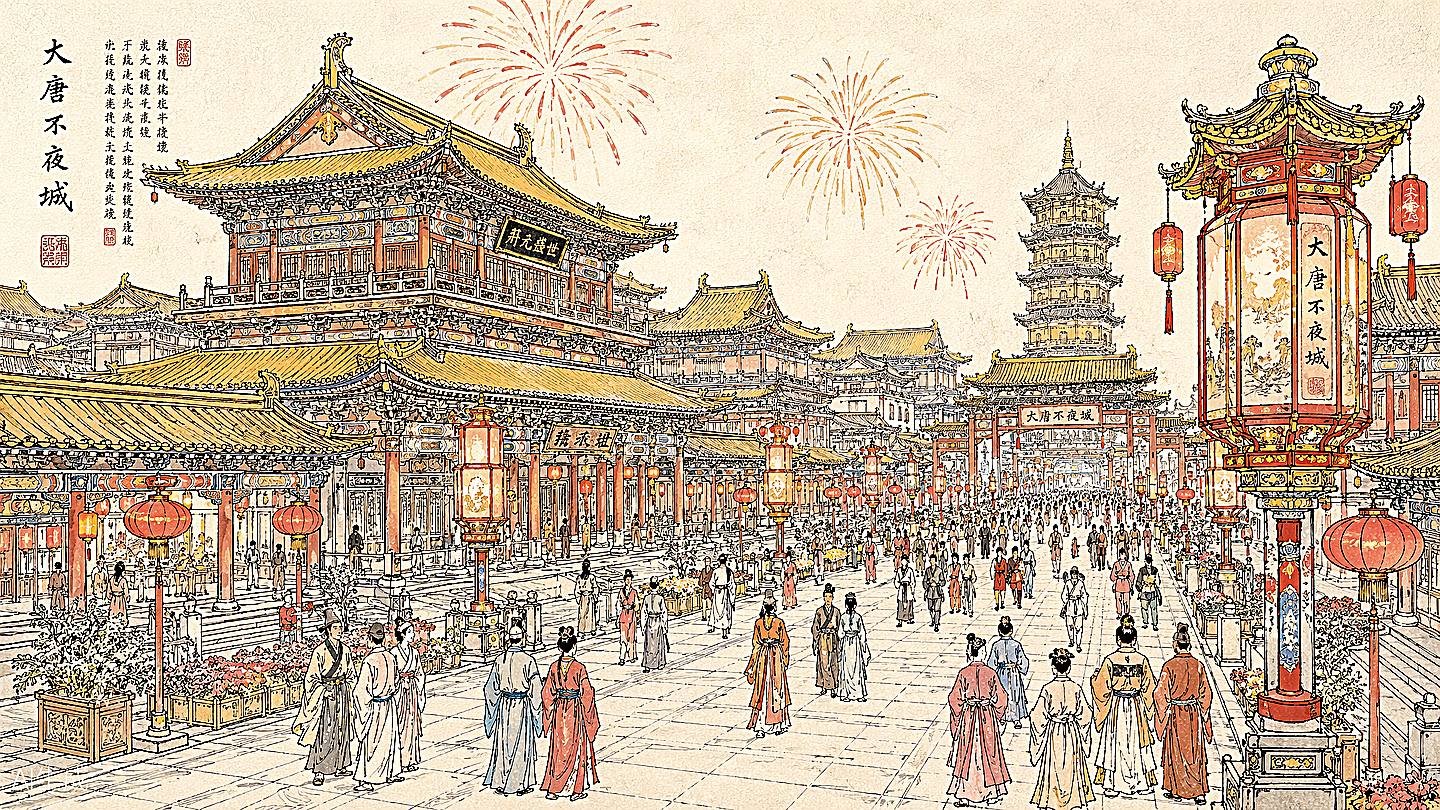
地铁 3 号线、4 号线大雁塔站下车即到。登塔需另购票,台阶陡窄,老人儿童量力而行。音乐喷泉表演场次以当日公告为准,建议提前占位;傍晚先游大慈恩寺,再看南广场玄奘铜像与夜色中的古塔,顺路可步行至大唐不夜城。大慈恩寺需购门票,登塔另计,请以现场公示为准。[2]
Overview
Inside the Da Ci'en Temple in southern Xi'an, the Giant Wild Goose Pagoda was built in 652 under the direction of the monk Xuanzang to house the Buddhist scriptures and statues he brought back from India. The seven-story brick pagoda rises 64.5 meters and remains the emblem of Tang-dynasty Chang'an. In 2014 it was inscribed as part of the Silk Roads World Heritage property.
After returning from his seventeen-year pilgrimage, Xuanzang translated scriptures at Da Ci'en and petitioned for the pagoda in 652; it was enlarged under Empress Wu Zetian and given its present brick facing in the Ming Wanli era. Steles in Emperor Taizong's and Emperor Gaozong's calligraphic commission, brushed by the master Chu Suiliang, stand in pavilions by the south gate. The vast musical fountain on the temple's north square dances against the ancient silhouette each evening.
Take subway Line 3 or 4 to Dayanta Station. Climbing the pagoda requires a separate ticket and steep stairs. Fountain show times are posted daily — arrive early for a good spot. Pair an evening visit with the Xuanzang statue on the south square, then stroll south into the Grand Tang Mall.