概览
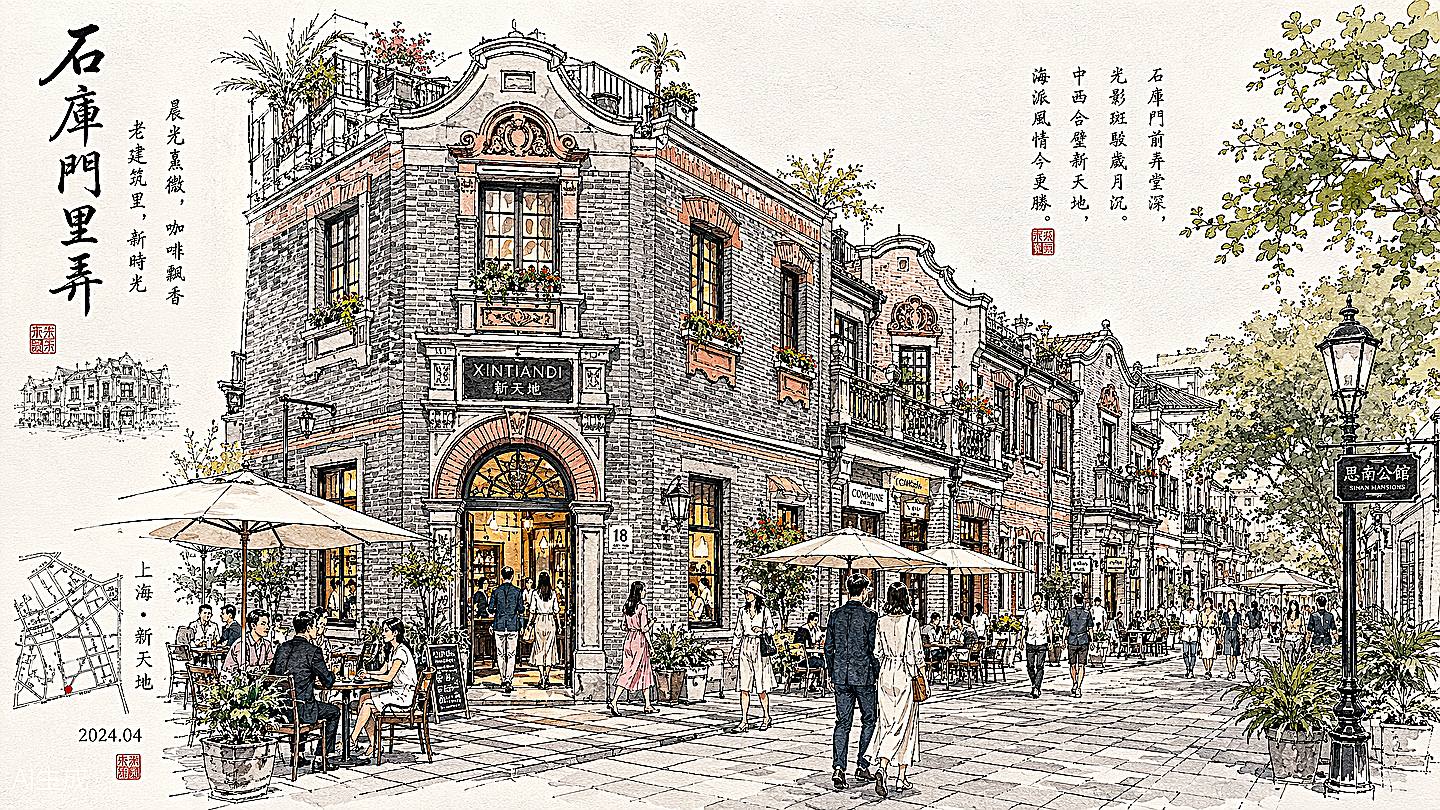
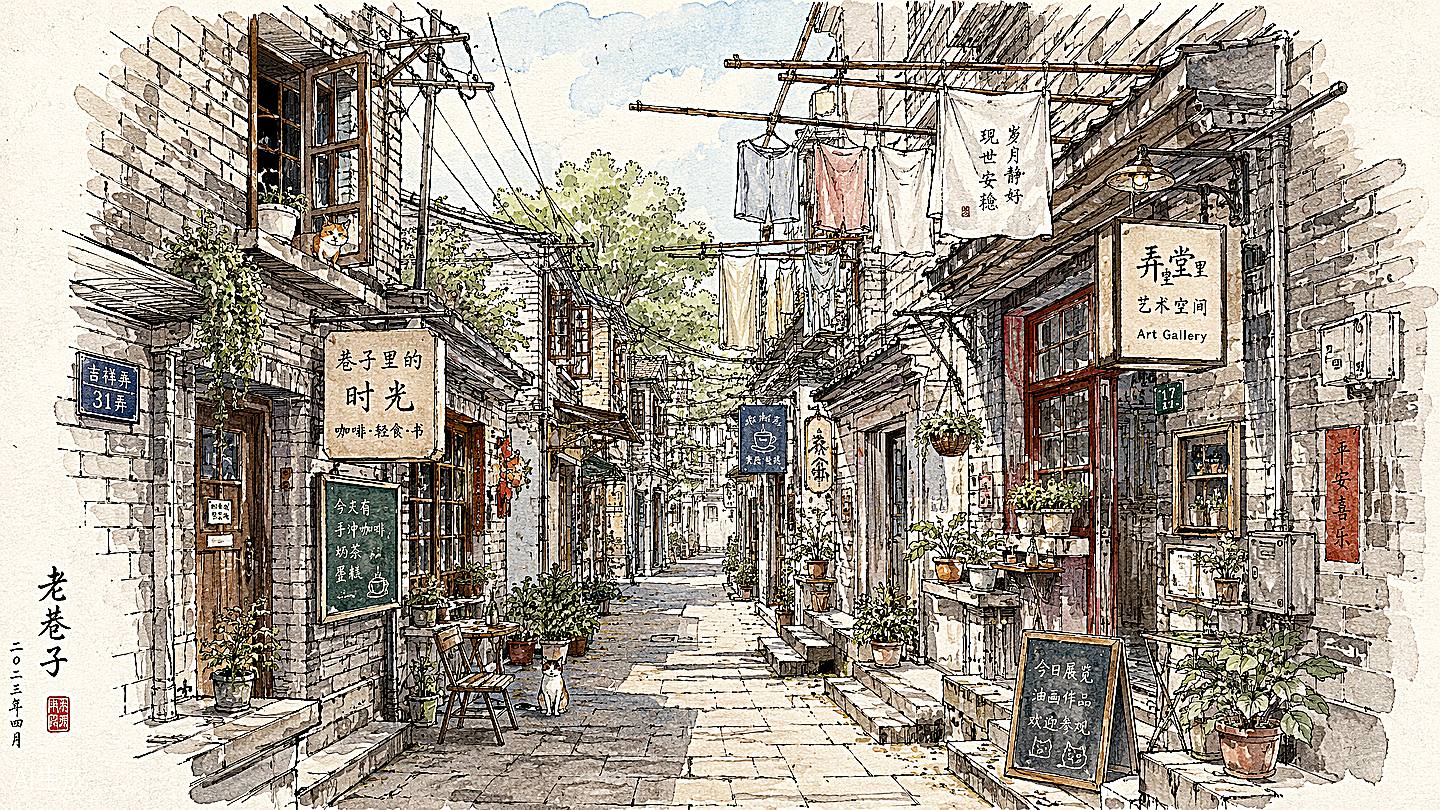
田子坊位于泰康路 210 弄,由老上海石库门里弄与旧厂房改造而成,窄巷纵横、晾衣杆横斜,画廊、咖啡馆与居民生活交织共生,是上海里弄文化与创意产业融合的代表街区,画家黄永玉以古代画家「田子方」谐音为其命名。「到田子坊看活的里弄」,是上海城市漫游的经典项目。[1]
历史沿革
这片街区原是二十世纪三十年代的里弄住宅与弄堂工厂混合区,志成坊、平原坊等里弄与食品机械厂等厂房比邻。1998 年起,陈逸飞、尔冬强等艺术家工作室陆续入驻旧厂房,随后画廊与设计小店跟进,在居民仍居住的活态里弄中生长出独特的文创生态,成为上海城市更新的早期样本。[1]
看点
210 弄、248 弄、274 弄几条支弄各有性格:石库门门头、老虎窗与过街楼保留着原汁原味的生活场景,陈逸飞工作室旧址值得凭吊;藏在深巷的小画廊与手工饰品店适合慢慢淘。抬头看晾衣杆与鸽子,低头是文创小物,这正是田子坊的烟火气。弄口的老邮筒与公用电话亭,都是城市记忆的实物。[1]
参观贴士
地铁 9 号线打浦桥站下车步行即到,街区公版开放,午后至傍晚最有氛围。弄堂狭窄,周末人流拥挤,建议错峰;许多店铺是独立设计师经营,议价空间小。巷内仍有居民生活,拍照请勿擅入私宅;可与附近的思南公馆、复兴公园串成半日漫步。雨天弄堂别有味道,但石板湿滑,请放慢脚步。[1]
Overview
In Lane 210 of Taikang Road, Tianzifang grew out of old Shanghai shikumen lanes and factory workshops — narrow alleys crisscrossed by laundry poles, where galleries and cafés live side by side with residents. Painter Huang Yongyu named it with a pun on the ancient artist Tian Zifang, and it remains the city's signature blend of lane life and creative industry.
The block began as a 1930s mix of lane housing and alley factories. From 1998, studios of artists like Chen Yifei and Er Dongqiang moved into the disused workshops, galleries and design shops followed, and a creative ecosystem grew organically inside a living neighborhood — an early model of Shanghai urban renewal. Lanes 210, 248, and 274 each have their own character: stone-gate entrances, dormer windows, overhead crossings, Chen Yifei's old studio, and tiny shops for slow treasure-hunting.
Walk from Dapuqiao Station on subway Line 9. The lanes are free, liveliest from afternoon to dusk, and tightly packed on weekends — visit off-peak. Independent designers price firmly, and people still live here, so don't photograph inside private doorways. Chain the visit with Sinan Mansions and Fuxing Park for a half-day stroll.