概览
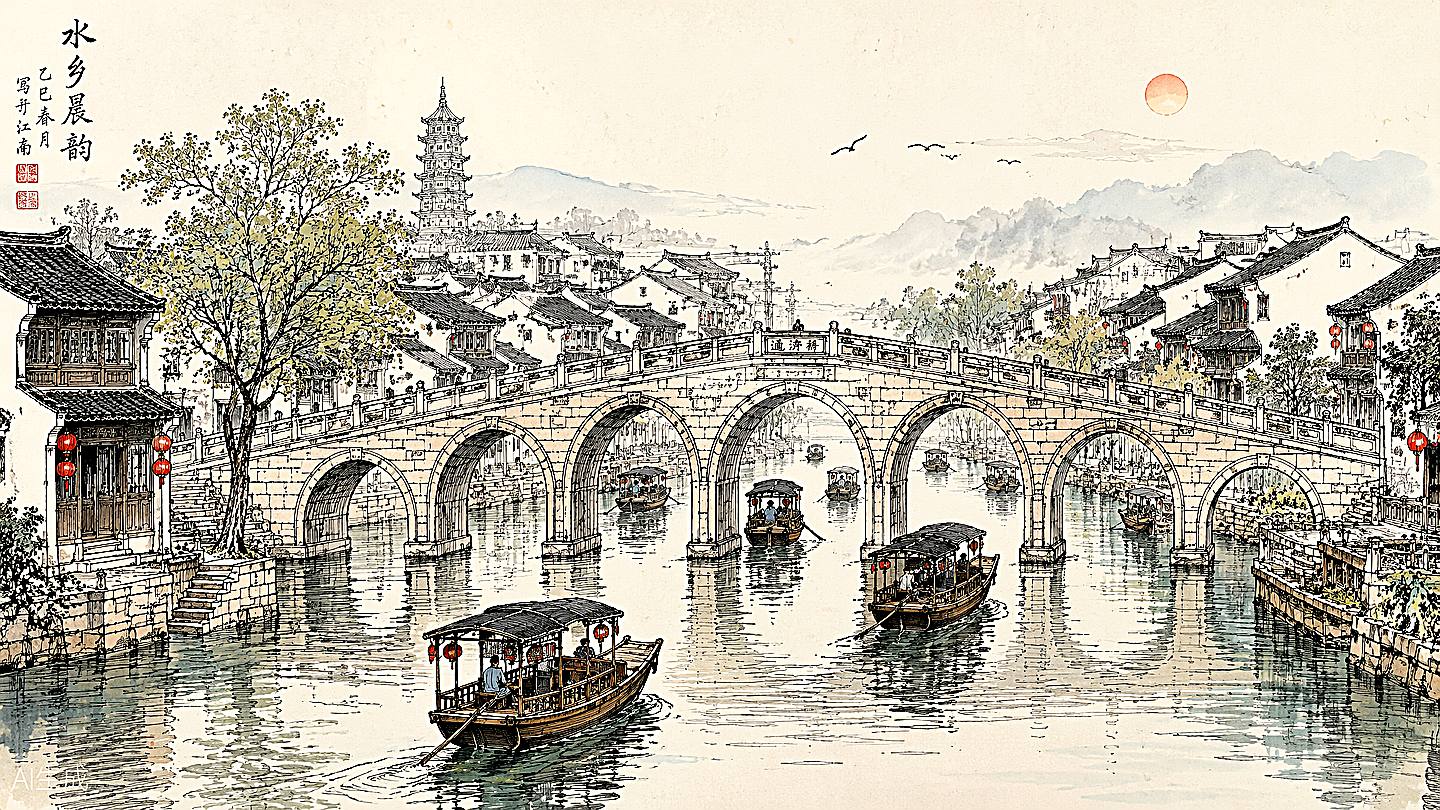
朱家角古镇位于上海青浦区淀山湖畔,是上海保存最完好的江南水乡古镇,宋元时已形成集市,明清时为米市布业重镇,有「上海威尼斯」之称。镇内水道纵横,36 座古桥连接两岸,是上海人周末寻幽的后花园。古镇位于九峰北麓、淀湖之滨,漕港河穿镇而过。1991 年它被列为上海首批历史文化名镇,声名渐起。[1]
历史沿革
朱家角宋元时期形成集市,称朱家村;明万历年间正式建镇,因水运便利成为漕粮与布匹集散地,时有「长街三里,店铺千家」之盛。清代米业极盛,布号、米行遍布北大街。二十世纪九十年代起古镇保护性开发,如今是中国历史文化名镇。镇上明清建筑保存成片,水乡格局至今未变。[1]
看点
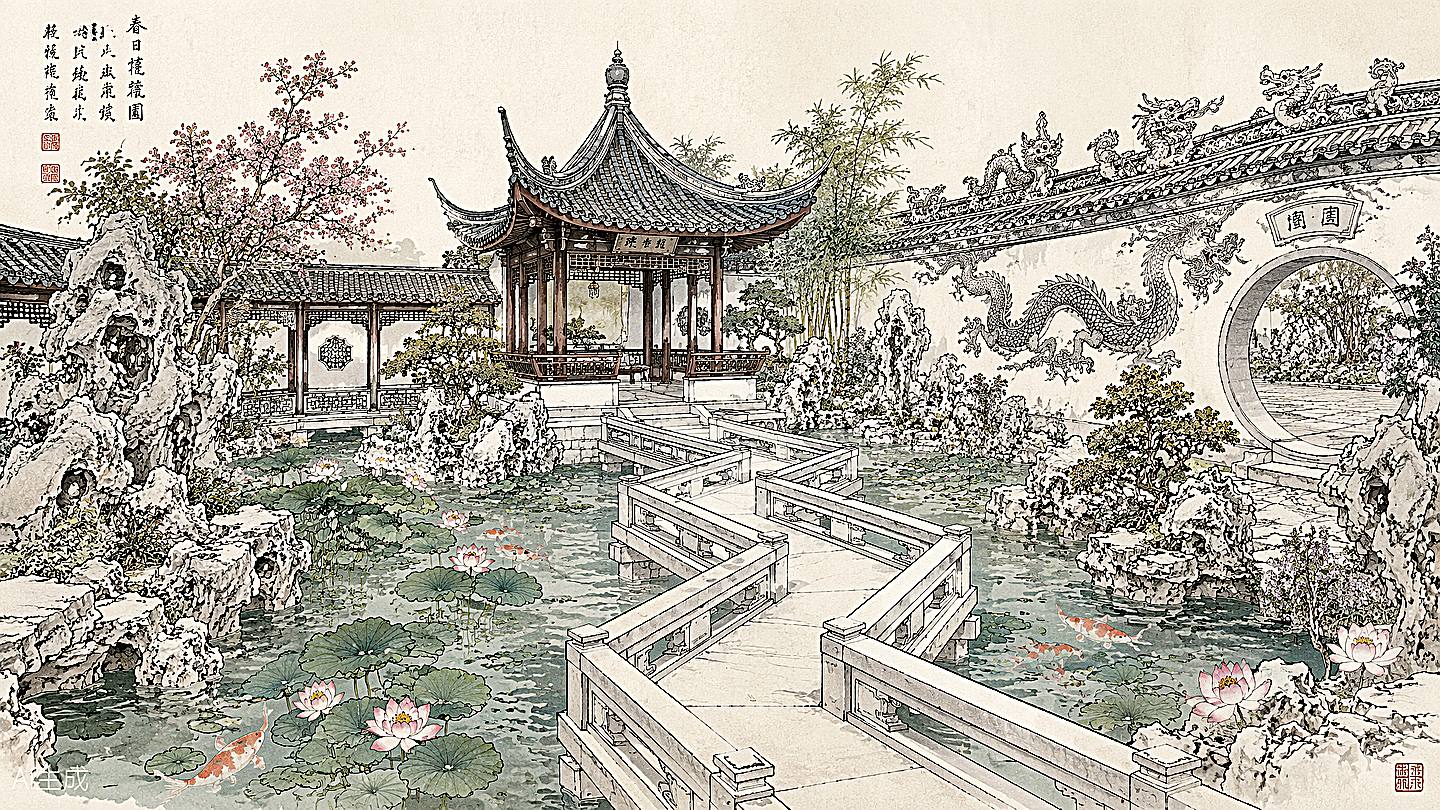
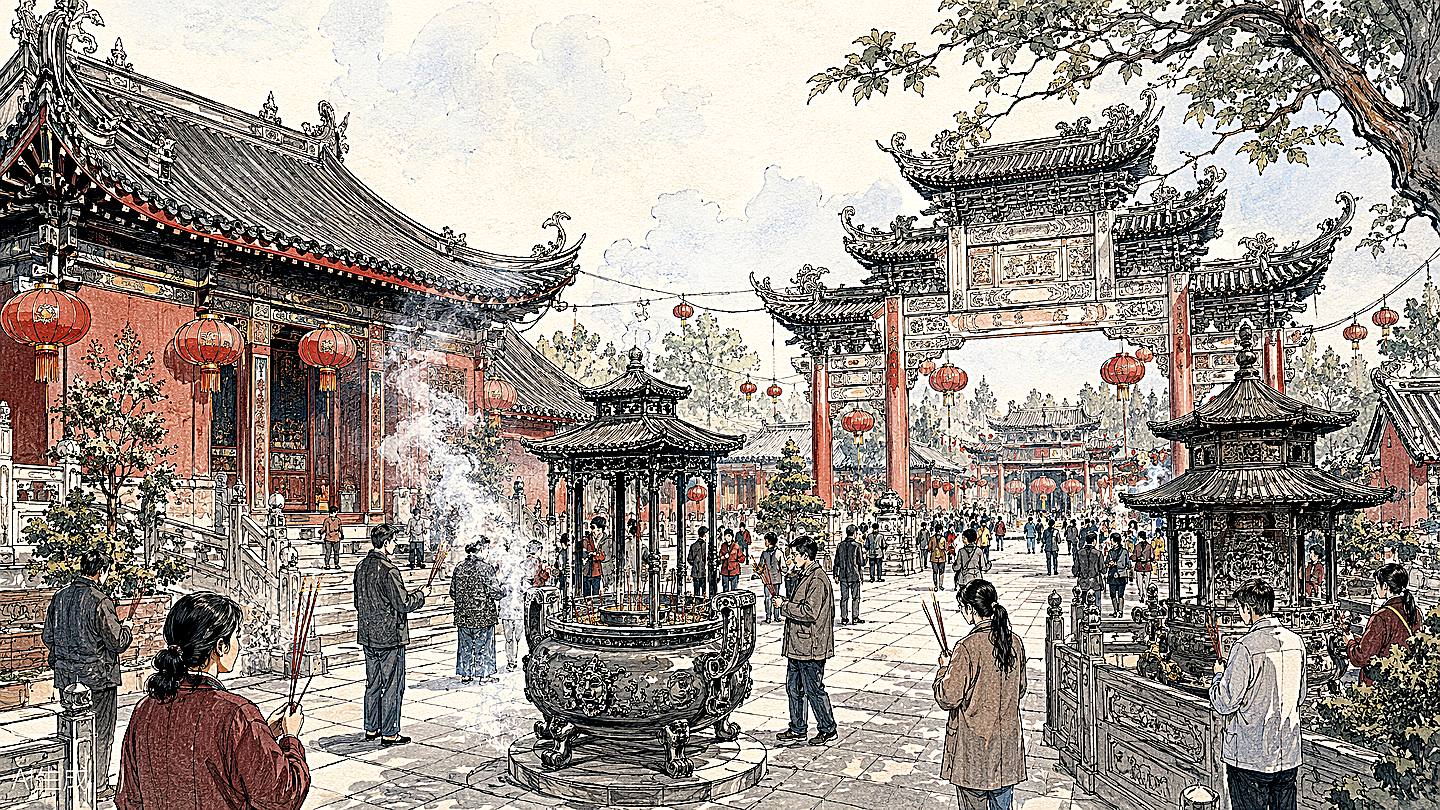
五孔石拱放生桥建于明隆庆五年(1571 年),是上海地区最大的古石桥,登桥可览漕港河两岸全景;北大街「一线天」保留明清商铺原貌;课植园集园林与乡野之趣;圆津禅院、城隍庙、泰安桥各具年代。乘摇橹船穿行水巷,阿婆茶楼听评弹,是水乡的正确打开方式。[1]
参观贴士
地铁 17 号线朱家角站下车步行或换乘公交可达,古镇免大门票,课植园等景点单独售票或购联票。摇橹船按船计价,可拼船;阿婆粽、扎肉、熏青豆是必买手信。周末客流大,建议上午十点前抵达;雨天石板湿滑,穿防滑鞋。大清邮局旧址可寄出水乡明信片,很有纪念意义。[1]
Overview
By Dianshan Lake in Shanghai's Qingpu District, Zhujiajiao is the city's best-preserved water town, grown from a Song-Yuan market settlement into a Ming-Qing rice and cloth trading hub — the 'Venice of Shanghai.' Thirty-six old bridges span its canals, making it the city's favorite weekend escape.
A market village in the Song and Yuan, Zhujiajiao was formally established as a town in the Ming Wanli era and thrived on waterborne grain and cloth — 'a three-li street of a thousand shops.' The five-arched Fangsheng Bridge of 1571 is the region's largest ancient stone bridge, with a panorama of Caogang River from its crown; North Street keeps its Ming-Qing shopfronts under 'a sliver of sky'; Kezhi Garden mixes landscaping with rustic charm; and rowboats, storytelling in the Granny's Teahouse, and temples of several dynasties round out the town.
Take subway Line 17 to Zhujiajiao Station, then walk or shuttle. The town itself is free; individual sights like Kezhi Garden sell tickets or a combo. Rowboats are priced per boat and can be shared; granny's zongzi, braised pork, and smoked green beans are the signature take-homes. Arrive before 10 a.m. on weekends, and wear grippy shoes on rainy flagstones.