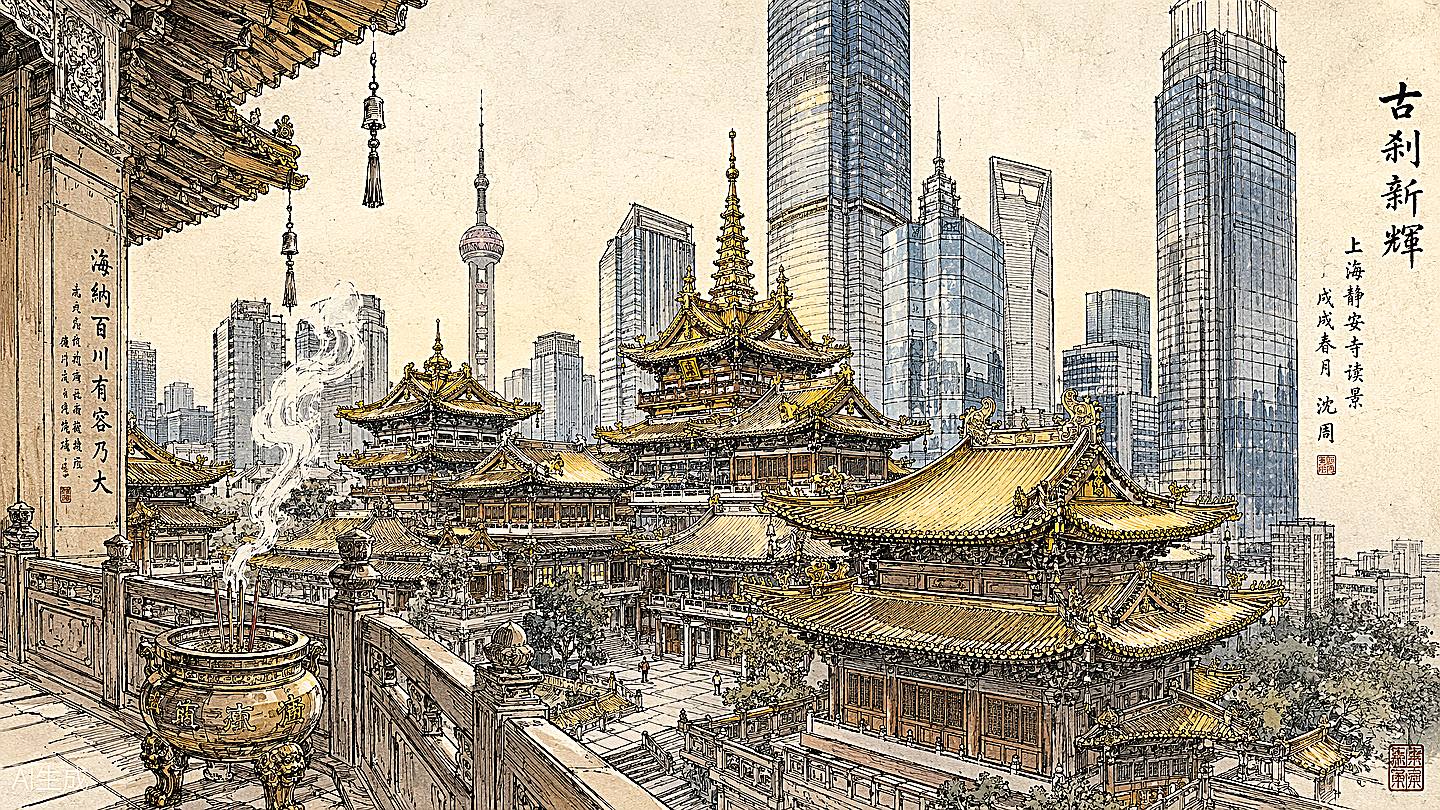
概览
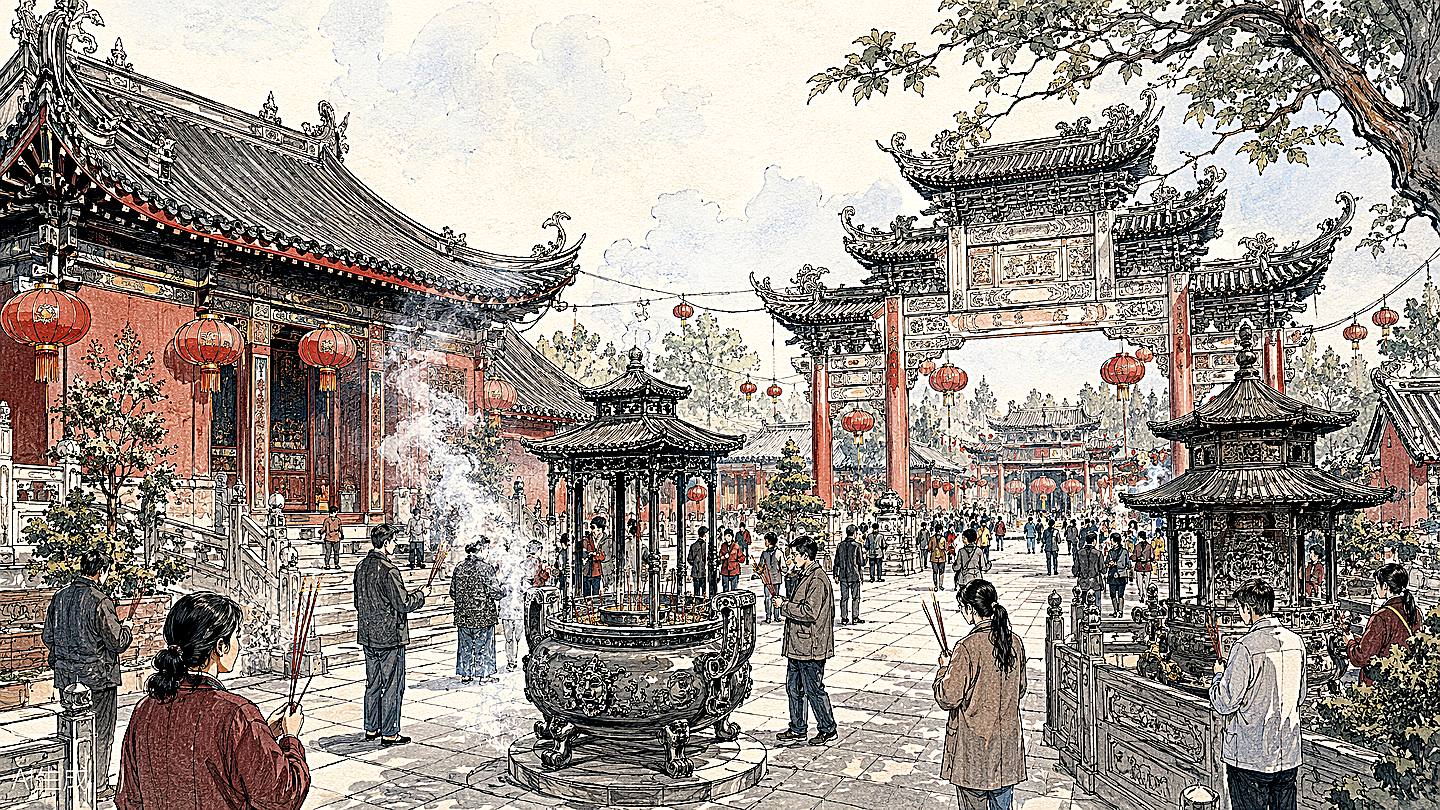
豫园位于上海老城厢,始建于明嘉靖三十八年(1559 年),由四川布政使潘允端为奉养父亲所建,取「豫悦老亲」之意,占地三十余亩。园内楼台参差、山石峥嵘,是江南古典园林在上海市中心的珍贵遗存,1982 年列入全国重点文物保护单位。园林以「城市山林」之趣著称,闹市之中别有洞天。[1]
历史沿革
潘允端自 1559 年起历时近二十年营建此园,清初潘氏衰落园林易主,乾隆年间归入城隍庙为西园。鸦片战争与小刀会起义中园景屡遭兵燹,清末各行业公所迁入重建厅堂。1956 年起政府大规模修缮,恢复明代园林格局;园外九曲桥与湖心亭始建于清乾隆年间,是豫园商城的核心景观。[1]
看点
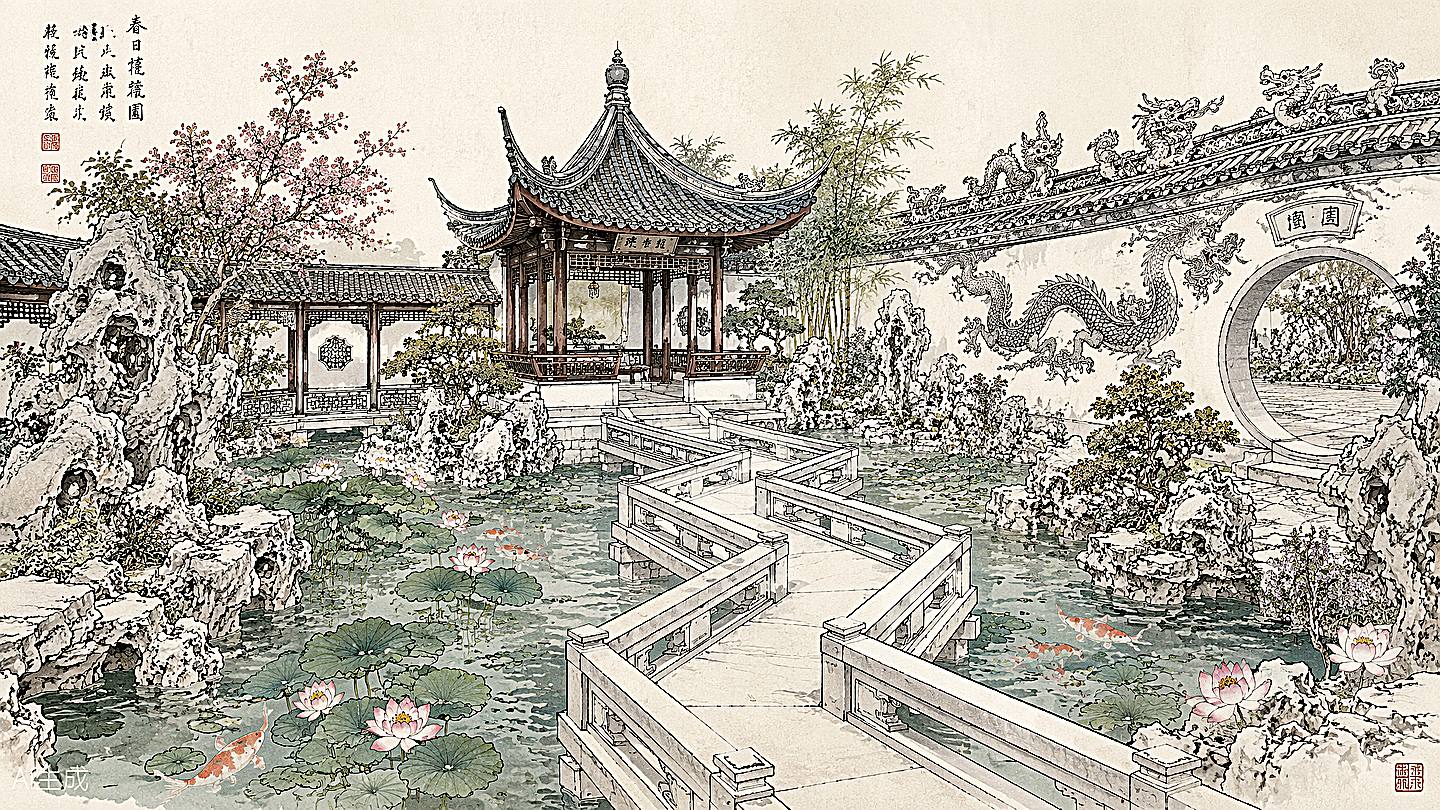
大假山由明代叠石名家张南阳设计,是其现存唯一作品,层峦叠嶂可登可穿;玉玲珑石皱、漏、瘦、透俱全,列为江南三大名石之一;点春堂曾为小刀会起义指挥部;穿云龙墙蜿蜒起伏,是豫园出镜率最高的画面。园外湖心亭茶楼泡一壶茶,看九曲桥人流如织。内园的古戏台雕饰华丽,值得驻足细看。[1]
参观贴士
地铁 10 号线、14 号线豫园站下车即到。园内游线曲折,建议跟导览图游览,全程约一个半小时;节假日九曲桥限流排队,宜赶早入园。豫园商城的绿波廊、南翔馒头店盛名在外但常需等位;每年元宵灯会是上海年味最浓的去处。园中多台阶门槛,推婴儿车与轮椅通行不便。[1]
Overview
In Shanghai's old town, Yu Garden was begun in 1559 by the official Pan Yunduan as a retreat for his father — its name means 'pleasing one's parents' — across some two hectares of pavilions and rockeries. It is the city's rare surviving classical Jiangnan garden, protected at national level since 1982.
Nearly twenty years in the making, the garden passed through decline, war, and guild-hall occupation before a grand restoration from 1956 restored its Ming design. The Grand Rockery is the sole surviving work of the famed Ming rockery artist Zhang Nanyang; the Exquisite Jade Rock ranks among Jiangnan's three great stones; the Dianchun Hall once served as headquarters of the Small Swords uprising; and the undulating dragon wall is the garden's most photographed line. Outside, the zigzag bridge leads to the Huxinting Teahouse, standing since the Qianlong era.
Take subway Line 10 or 14 to Yuyuan Garden Station. Follow the garden map for about ninety minutes, and enter early on holidays when the zigzag bridge queues. The Lubolang and Nanxiang restaurants in the bazaar are famous but often waitlisted; the Lantern Festival here is Shanghai's most traditional New Year scene.